

PlayerStat Data the ideal solution for tracking performance

PlayerStat Data

In the digital age, with clubs and athletes alike looking for any which way they can improve their performance on and off the pitch, one platform is looking to target the teenage development, allowing clubs to track their players progression and better help find areas of improvement within their squad.

PlayerStat Data are a development data platform, aimed at football teams and academies aged 13-19, targeting key development areas. They offer a flexible range of physical, on-field data performance, with the ability for coaches to add in their own assessment notes, allowing for a wholistic approach to player assessment and analysis. Their secure platform ensures that clients only have access to their own club’s individual data, as many Irish and American clubs are keen to investigate the possibilities of PlayerStat Data for their club.

However, PlayerStat Data does give the opportunity to compare metrics for players and teams, against the 100s of players stats already in their system, allowing coaches to gauge at how similar their players are performing to other players of that age and position. PlayerStat Data also takes clients match footage, and provides individual and player performance data insights, allowing for an objective analysis of a player’s performance over a match, month, or even the whole season.

PlayerStat Data has set its sights on teams aged 13-19, as they feel that is where the data can be extrapolated and utilised to its fullest potential. The ability for players and coaching staff to rectify player weaknesses earlier thanks to identifying the objective shortcomings of players, can allow coaches to focus more on a certain skill or technique, which can bring the player up to speed.

PlayerStat Data offers 5 key figures for measuring the success of a youth team or academy.

  • Player performance data output: collected from recorded match video footage.
  • Physical data output: (ie. GPS-driven data outputs, maturation tests etc).
  • Sports psychological insights: giving greater context around Youth Player Dev.
  • Socio-economic data collection: specific to the client’s own operations.
  • Coach Assessment: output of players’ ability at varying stages across the season.

There is also the ability to create highlight reels of game day and training, which is invaluable to a coach, who can show players what they are doing right, or where they are going wrong in specific passages. PlayerStat Data can also offer both team and individual player match reports, allowing coaches to find their shining lights during poor team performances, or areas that are struggling more than others.

PlayerStat Data looks to give coaches objective data, which can also benefit them come end of season, when retaining, re-trialling, and release procedures are under way, allowing clubs to explain their reasons why a player has been chosen for a certain category, and gives a player an understanding of where they need to improve. It also speeds up the process of analysing for coaches, who no longer need to watch through and edit match footage, as this is taken care of by PlayerStat Data.

PlayerStat Data, whilst popular in the US, Canada, and the UK, has not broken into the Australian market considerably. Much of Australia’s NPL youth teams have very limited statistical analysis, and more so the judgement of coaching staff. This can leave the clubs victim to potential coaching bias, which has seen the pathways of many youth players disrupted or halted due to coach favouritism, over objective measures of talent and ability. And whilst coaches can still utilise their own ideas and notes within PlayerStat Data, the more wholistic approach of having both objective and subjective information can allow for the most accurate decisions, and better coaching outcomes for both clubs and players.

For more information on PlayerStat Data, click here.
Previous ArticleNext Article

Community Spirit Shines on AFC Grassroots Football Day 2026

This week, Football Australia (FA) celebrated AFC Grassroots Football Day 2026, championing the people and communities who continue to hold up a safe, inclusive and supportive environment in the football landscape.

‘For all, for life’

In collaboration with Football NSW, Canterbury Football Association and community club, Balmain & District Football Club, the day reflected the very best of what football provides.

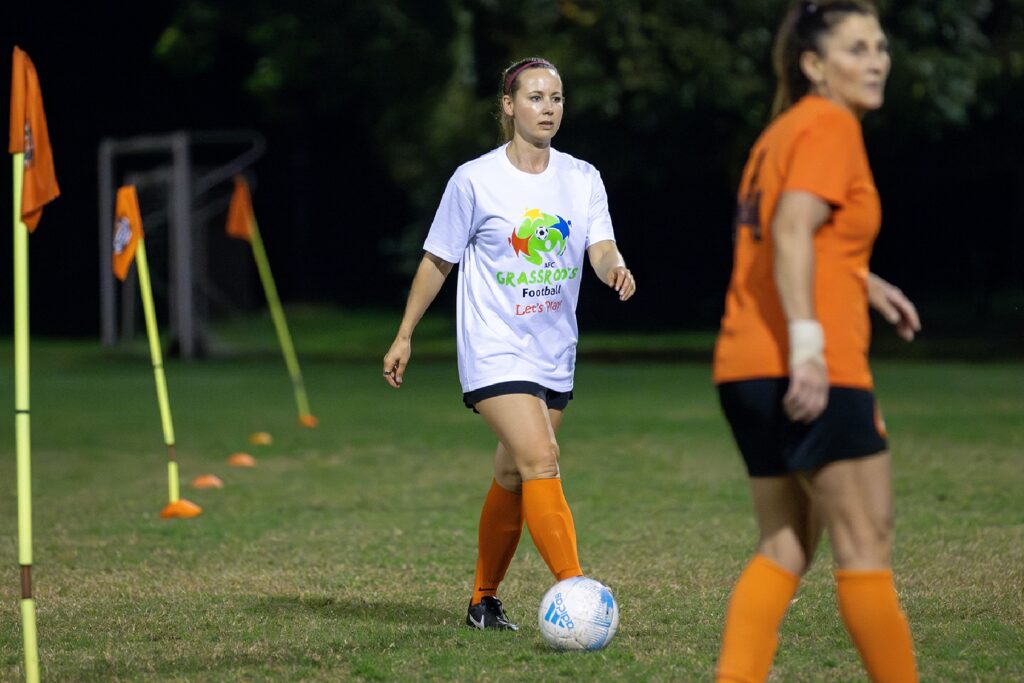
The event brought in participants of all ages – from 4-74 years-old – and reached a total of 400 people. Girls-only programs, all-abilities sessions and over-age football ensured all were catered for.

Such a diverse range of participants builds on a wider drive during FIFA World Football Week, which seeks to promote the sport not just as the dazzling lights of 100,000-seater stadiums, but as a way to foster community spirit and social development.

Furthermore, FA support through its Club Changer program was a welcome addition to the action, emphasising the organisation’s commitment to nurture a real love for the game across communities in Australia.

“Through Club Changer we support our clubs to provide a safe, fun and enjoyable environment where everyone is welcome; whether that be as a player, volunteer, referee or supporter,” explained National Program Manager Club Development at FA, Grace Lambourne.

“Everyone should feel they belong and are welcome to play, stay, and love the game.”


A welcome celebration

While the upcoming FIFA World Cup will no doubt inspire millions of future Socceroos and Matildas, events like the AFC Grassroots Football Day represent something beyond just inspiration.

It is a platform. An opportunity to express a love for football and to connect with others while doing so.

And connections between the professional and grassroots game is more important than ever if Australia is to nurture the next generation of talent.

This is particularly clear in the rise of women’s football across the nation. Since the FIFA Women’s World Cup, female participation rose by 32%, and registrations for the MiniTillies Program skyrocketed from 264 in 2023, to 1223 in 2024.

The professionals spark passion. But communities turn that passion into playing time.

That is why celebrating grassroots football – and the volunteers and families who sustain it – is a vital part of Australia’s football future. Together, FA and the AFC are creating strong foundations built on positivity, engagement, and inclusivity for all with a love for the beautiful game.

Geelong Regional Football Hub vision one step closer to reality

A process five years in the making, the Geelong Regional Football Hub (GRFH) will now build its home at Sutcliffe Reserve in Corio.

A major advancement

The project promises to be a major boost for the football community in Victoria’s west.

But the approval isn’t just about addressing the current issues facing players in and around Geelong (with just one football pitch found per 6,971 people), it symbolises an all-important promise to players, coaches and supporters:

A promise to invest, support and grow.

So now, following an extensive process of potential site assessments and council approvals, Football Victoria (FV) will prepare to lay the physical foundations at Sutcliffe Reserve in Corio – ten minutes away from Geelong CBD.

“This is a brilliant result for the sport in Victoria and the start of something truly exciting for football in Geelong and the surrounding area,” said FV CEO, Dan Birrell, via press release.

But despite the obvious anticipation over site approval, there remains one more bridge to cross to bring this project from blueprint to building block: securing funding.


What is the GRFH?

Beyond a mere community football centre, the GRFH will become a world-class hub for playing opportunities, development pathways and venue for several of FV’s most popular competitions.

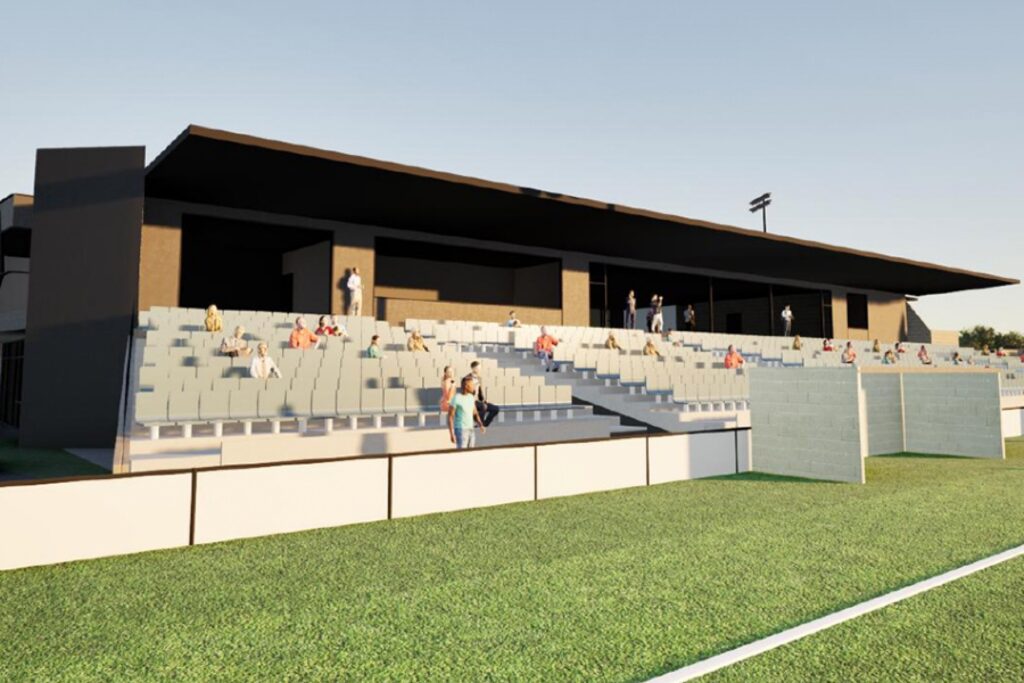
The proposed site will include five pitches, of which two will boast seated stands, as well as two pavilions, social spaces, kitchen and bar areas, media spaces, and facilities for players and match officials.

Such extensive, thorough infrastructure will therefore ensure the site can host an array of competitions for players across the landscape to showcase their talent. From supporting everything from school competitions to NPL VIC Men’s and Women’s games, the GRFH will be a place for player growth, opportunity and community engagement with the beautiful game.

And as Geelong Mayor, Stretch Kontelj, highlighted, the current demand requires investment of this nature as soon as possible.

“With more than 7,370 registered players across the Geelong region, the scale of demand is undeniable. A regional football hub would be genuinely transformational,” Kontelj said via press release.

“It would drive participation across all genders, abilities and levels of the game, strengthen education and development pathways, attract major events and tournaments and deliver lasting social and economic benefits for Geelong and the broader region.

The demand is there. The support is unwavering.

All that remains is the financial backing to bring about real, tangible results for those driving this vision forward.

Most Popular Topics

Editor Picks

Send this to a friend