



Inside the Convention That Could Reshape Football Across Australia

Collaboration as strength: When stakeholders align, the game benefits at every level. Other member federations should take note, be receptive to change, and support policies grounded in the realities of football.

The 2025 Football Queensland Convention was more than just a gathering. It was a statement about what football in Australia can achieve when clubs, businesses, and government come together in one room. It was an opportunity to elevate the debate around the sport’s future and move conversations beyond day-to-day operations. For an industry often focused on immediate results, the convention provided a rare chance to pause, reflect, and plan for long-term growth.

Over two days, coaches, administrators, industry leaders, and players came together to discuss governance, infrastructure, competition, and the use of technology in football. The most important message was clear: football will only grow if stakeholders work together and are willing to rethink the way the game operates at every level. Breakout sessions tailored to different roles ensured that practical challenges and innovative ideas were explored alongside broader strategic discussions.

The convention succeeded because it was inclusive. From grassroots volunteers to professional executives, everyone had a voice. The conversations reflected a cultural shift where decision-making and innovation are shared rather than reserved for a few at the top. It showed that the best solutions come from collective input and that elevating the debate across all levels of football is essential to meaningful progress.
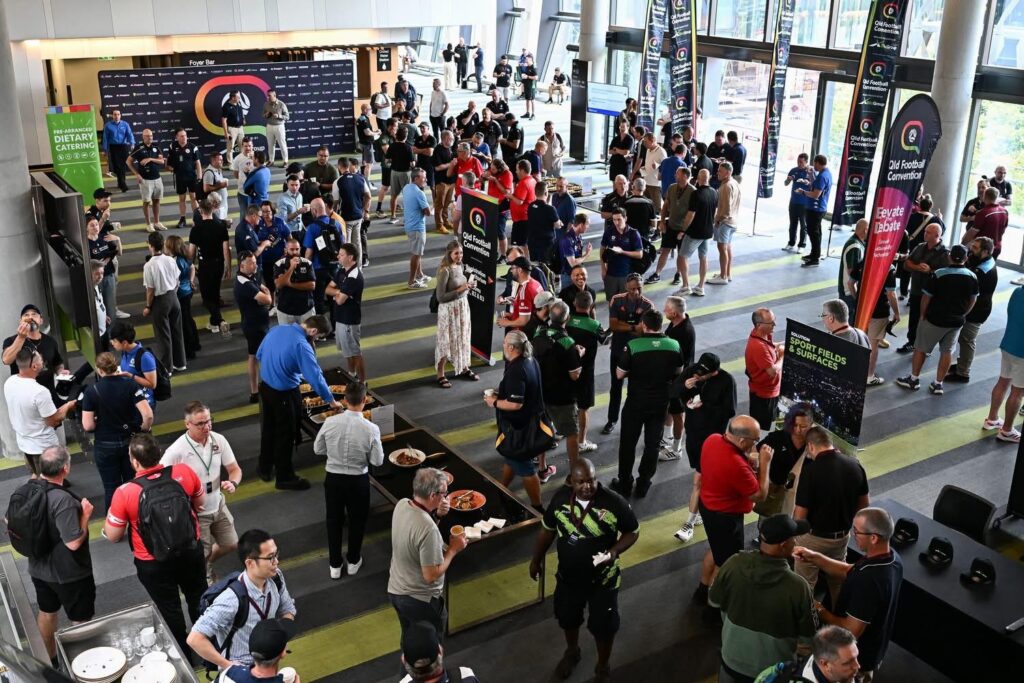
ndustry leaders at Football Queensland 2025 Convention collaborating on the growth and governance of Australian football
Industry leaders at Football Queensland 2025 Convention collaborating on the growth and governance of Australian football

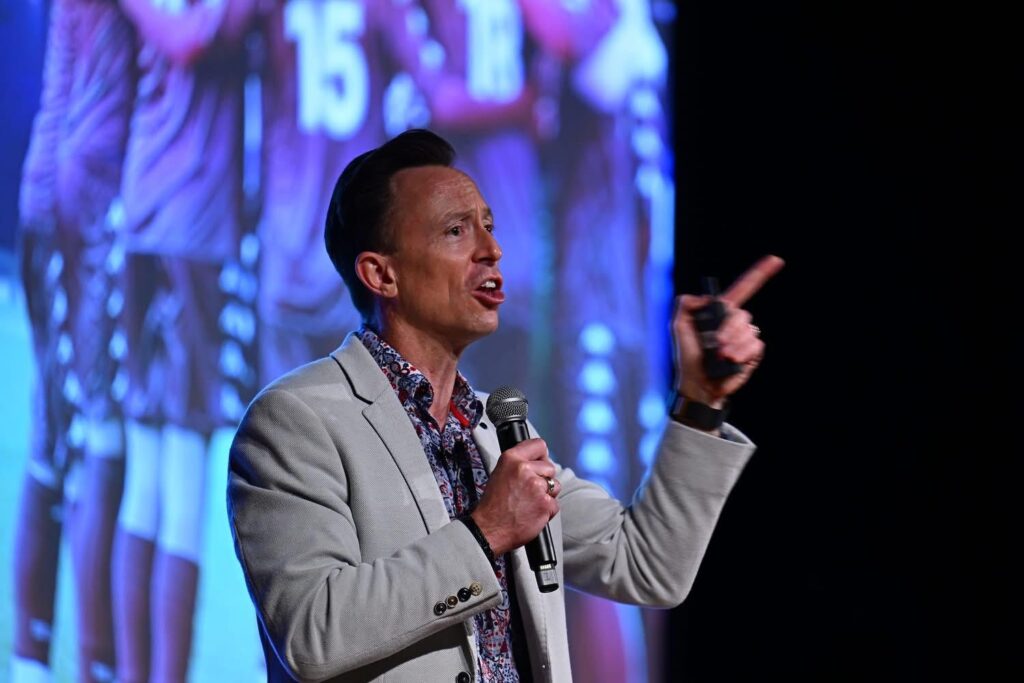
Keynote speaker Joe Schmit set a strong tone about leadership and purpose, encouraging attendees to consider the type of football culture they wanted to create. One of the most memorable contributions came from Jeehoon Kim from the Korean Football Association. He shared insights from the Made in Korea project, which aims to develop a distinctive style of Korean football. Rather than copying foreign systems, Korea is building its own identity, focusing on a technical philosophy described as fast, fearless, and focused. Players are developed through technical partnerships and youth programs that build on the nation’s strengths.

Kim’s message goes beyond player development. He highlighted that even in governance, success comes when hierarchies are removed and people are empowered to work in their areas of expertise. The project shows that a strong system is only effective if the right people are allowed to innovate and take responsibility. Whether in Korea or Queensland, football thrives when expertise is trusted to lead.
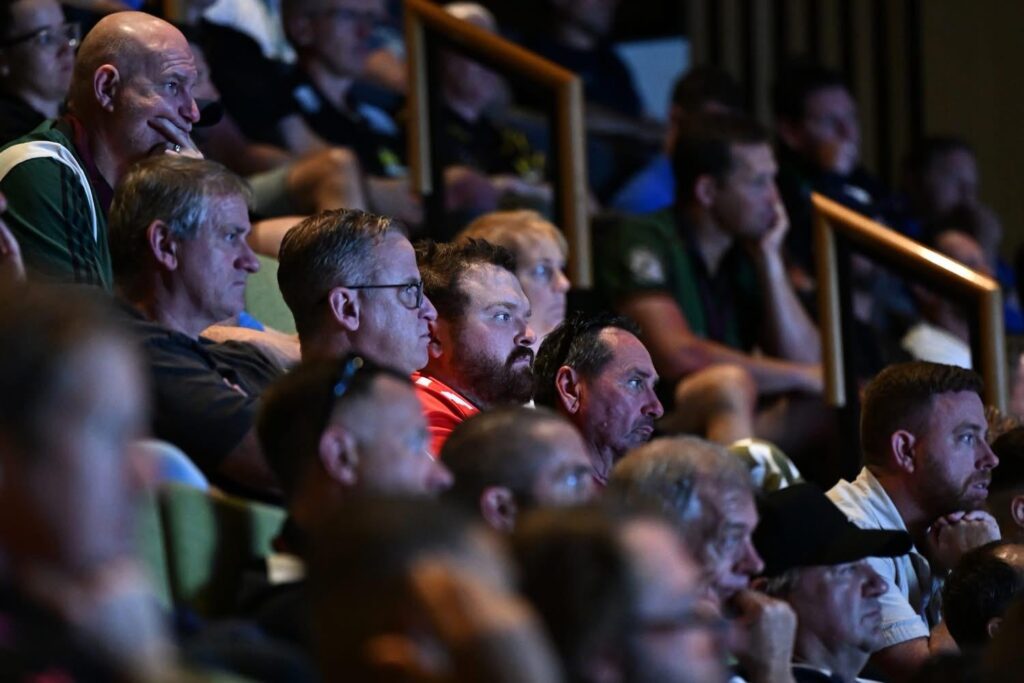
Delegates at 2025 Football Queensland Convention exploring ways to elevate Australian football through innovation and partnership

Football Queensland itself provides another example of this principle in action under CEO Rob Cavallucci. Speaking on the Soccerscene Off the Pitch Podcast, Cavallucci reflected on how the organisation addressed one of its biggest challenges: the lack of support from commercial and government sectors, which had created significant cost pressures for players and clubs.

He explained, “We made a decision five or six years ago when I became CEO and looked at how the game was structured. The main issue was the lack of support from the commercial sector and government. This meant there was always going to be significant cost pressure on the game. So we had to find a way to get on a different path.”

That path involved reforming governance and competition structures, introducing conference-based leagues, pyramid systems, and the FQ Academy pathway. The results have been impressive. Registration fees, which once made up around half of FQ’s revenue, now sit in the low twenties because the organisation has successfully maximised revenue from other sources, including corporate partnerships and government support.

Cavallucci added, “Importantly, we repositioned ourselves to appeal more to the corporate sector and government.” This approach has reduced financial pressure on players and clubs while strengthening the long-term sustainability of the game. It demonstrates how thoughtful governance, paired with strategic partnerships, can transform an entire football ecosystem.

The convention highlighted that collaboration is football’s greatest strength. When clubs, businesses, and government align around a common purpose, the benefits are felt at every level of the game. More than just addressing immediate challenges, it was an opportunity to elevate the debate, explore long-term solutions, and inspire stakeholders to work together for the wider good of the sport.
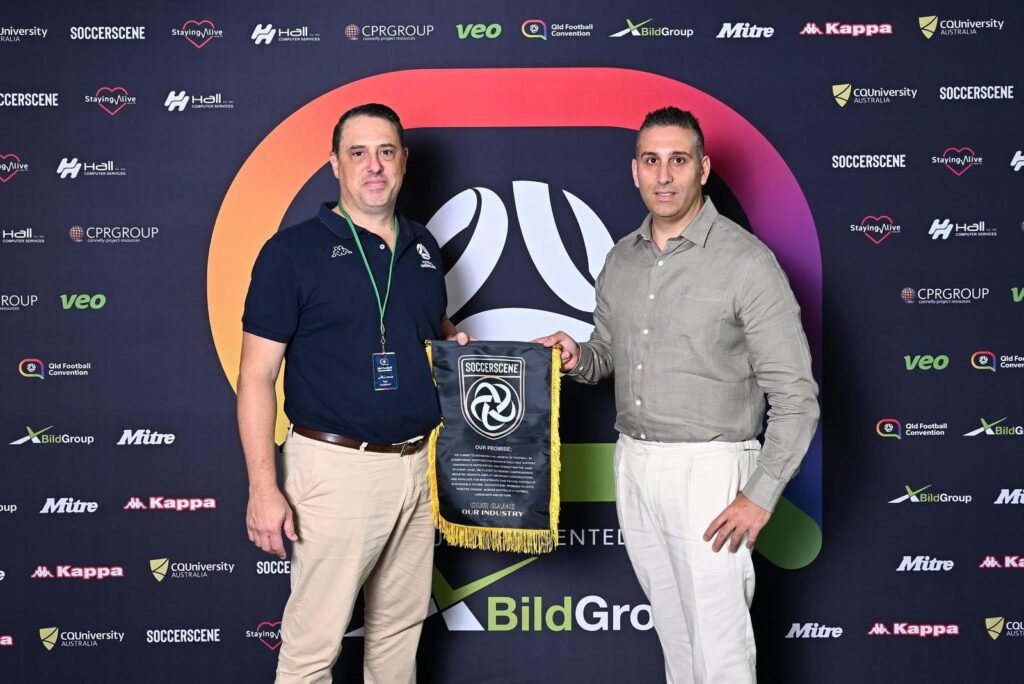
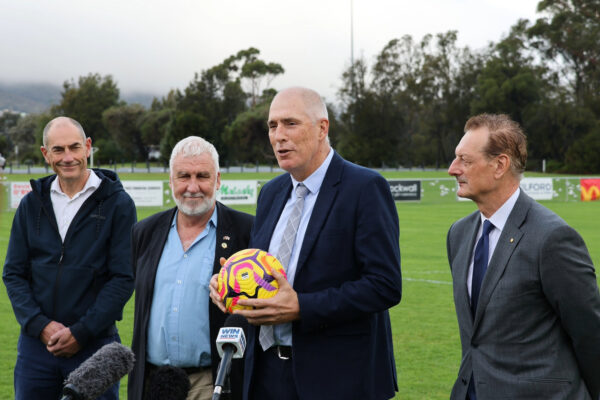
Soccerscene CEO Stace Ioannidis presenting the Editorial Creed to Football Queensland CEO Rob Cavalucci to elevate the debate in Australian football

Other member federations would benefit from observing this approach and embracing a willingness to adapt. Receptivity to new ideas promotes stronger alignment with key stakeholders and enables policymakers to develop thoughtful, practical policies that are grounded in the realities of the game. Such a commitment to collaboration and innovation is essential for fostering a sustainable and thriving football ecosystem across Australia.

If this event is any guide, the future of football in Australia will not be defined by divisions or short-term thinking. It will be defined by connection, collaboration, and a collective belief that the best way forward is together. The 2025 Football Queensland Convention has provided a blueprint for how other states and organisations can follow suit and drive the growth of the game in Australia.

Previous ArticleNext Article

Victory unites with Roasting Warehouse in culture-led partnership

The Melbourne-based anf family-owned business will join the Victory family, uniting two institutions which represent the city’s culture and identity.

A partnership with local roots

As the newest partner of Melbourne Victory, Roasting Warehouse joins forces with a vital part of the city’s sporting landscape.

The club’s Managing Director, Caroline Carnegie, outlined why the partnership bears so much value to both parties.

“We are excited to collaborate with Roasting Warehouse, a community-oriented destination for high-quality coffee, proud of its foundations in Melbourne,” said Carnegie via official media release.

“Football and coffee sit at the epicentre of Melbourne’s culture. The two go hand-in-hand, consistently at the centre of the conversation that stirs Melburnians, which is no different to the conversation sport and Melbourne Victory stir in the State.”

Indeed, this is a partnership which combines the identity, passions and culture of an entire city, therefore giving it the foundations required for long-term, mutual success.

Representing the best of Melbourne

Both Victory and Roasting Warehouse are hugely successful in their respective industries. They are institutions with community-oriented philosphies, who pride themselves on craft and quality.

“We’re incredibly proud to partner with Melbourne Victory, a club that represents the heart, passion, and ambition of Melbourne,” revealed Roasting Warehouse Head of Brand, Alexander Paraskevopoulos.

“As a Melbourne-founded, family-run business, supporting a team that means so much to the local community feels very natural for us.”

Furthermore, through their high-quality blends, Roasting Warehouse will look to prepare Victory’s players and staff for high performances on the pitch as the seasons nears completion.

But this is about far more than just fueling athletes.

This is a partnership which embodies and unites two of Melbourne’s greatest strengths and cultural markers – a connection forged from the city’s very own DNA.


For more information about Roasting Warehouse, click here.

Football NSW supports Female Coaches CPD as Women’s Football Surges

Football NSW has used the platform of the AFC Women’s Asian Cup to deliver a targeted professional development workshop for female coaches, bringing together scholarship recipients for an evening of structured learning and direct engagement with elite women’s football.

Held at ACPE last month, the session was open to female coaches who received C or B Diploma scholarships through Football NSW in 2025. Coaching accreditation carries a financial cost that disproportionately affects women, who are less likely to have their development subsidised by clubs or associations operating in underfunded community football environments. Scholarship access changes that equation at the point where many women exit the pathway.

Facilitated by Football NSW Coach Development Coordinator Bronwyn Kiceec, the workshop focused on goal scoring trends from the tournament’s group stage, with coaches analysing attacking patterns and exploring how those insights could translate into their own environments. The group then attended the quarter-final between South Korea and Uzbekistan at Stadium Australia.

The structure of the evening mattered as much as its content. Female coaches in community football rarely have access to elite competition environments as a professional resource. The gap between the level at which most women coach and the level at which the game is analysed and discussed tends to reinforce itself. Placing scholarship recipients inside a major tournament, as participants rather than spectators, closes that gap in a way that a classroom session cannot.

Female coaches remain significantly underrepresented across all levels of the game in Australia. The pipeline that will change that depends not only on accreditation access but on the professional networks, peer relationships and exposure to elite environments that male coaches have historically taken for granted.

The workshop forms part of Football NSW’s ongoing commitment to developing female coaches through scholarships and structured learning opportunities.

Most Popular Topics

Editor Picks

Send this to a friend