


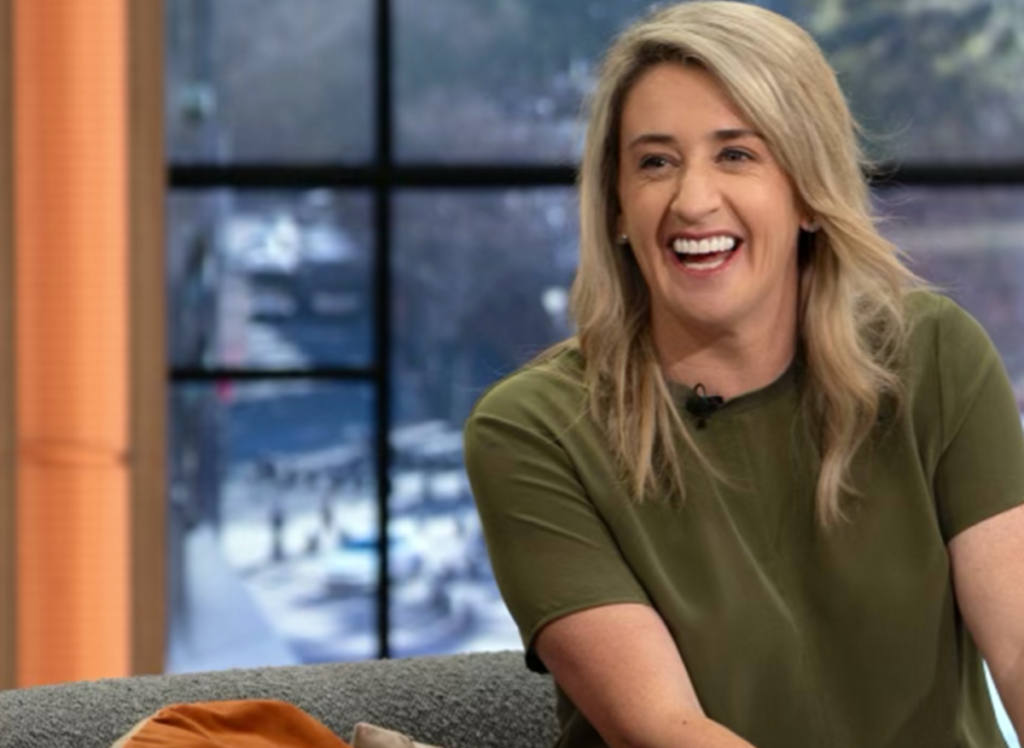
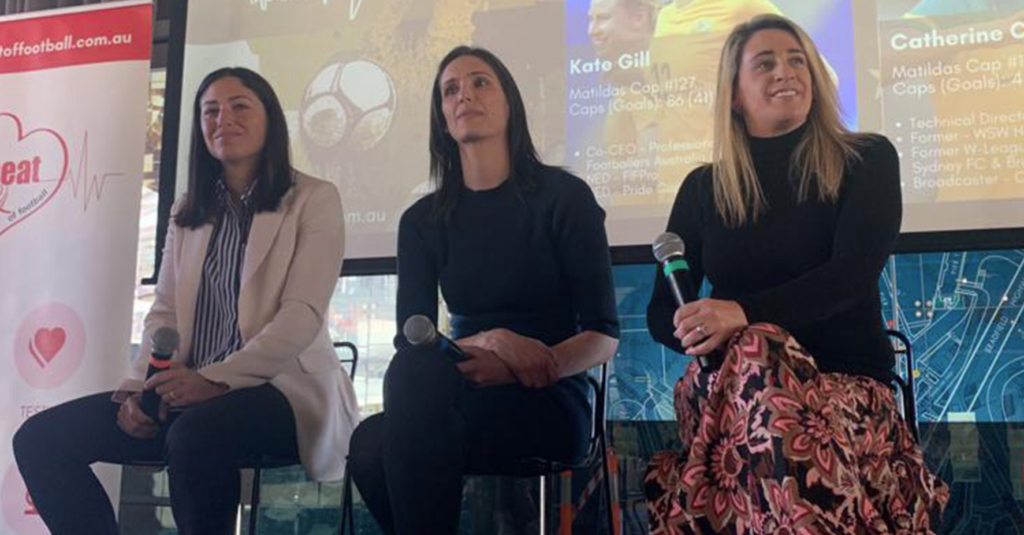
Heather Garriock, the former Matildas midfielder, is the proud holder of 130 Caps for her country and as she looks back at her extensive career in playing, coaching and mentoring, she faces her biggest challenge to date in attempting to make a difference on the Board of Football Australia (FA) which she was appointed to in September, 2021.
After the success of the Women’s World Cup, when the Matildas became the talk of the nation, it would be easy to say that football in Australia had finally arrived on the map.
However, acceptance for the game has never been that simple and despite the impetus generated in women’s participation numbers since the World Cup and some excellent attendances at the A-League Women’s matches this season, the A-League Men’s competition is struggling.
On the football field, Garriock always accepted a challenge and she is determined in her role on the FA Board to make a difference.
In this interview with Roger Sleeman, Heather Garriock discusses her early career in football before she rose to the top, the meaning of being a Matilda, how she contributes to the continuing growth of the women’s game, her involvement on the board of the F.A. and the role of past players.
ROGER SLEEMAN
When was your introduction to football?
HEATHER GARRIOCK
My Dad was a Scotsman who played semi-professional football and was a fanatical Hearts supporter.
I started playing as a six year old at Leppington Lions and lived and breathed the game into primary school when I was selected in the NSW Primary Schools squad.
Eventually, I was chosen in the first NSW women’s public school team from 250 triallists.
R.S.
What was your progression from there?
H.G.
I attended Westfield Sports High School and also participated in the NSW Institute of Sport from 13-14 years old where I was coached by Connie Selby, 3-4 nights a week.
I was in the state teams and played under Jean-Paul de Marigny who reckoned I had a bad attitude so I left to play in Marconi Reserves.
While at the club, I was privileged to witness the feats of Craig Foster, Andy Harper and Francis Awaritefe.
On leaving school at the end of year 10, I went to the AIS where I was coached by Chris Tansey and in the same year became the top scorer and player of the year at Marconi.
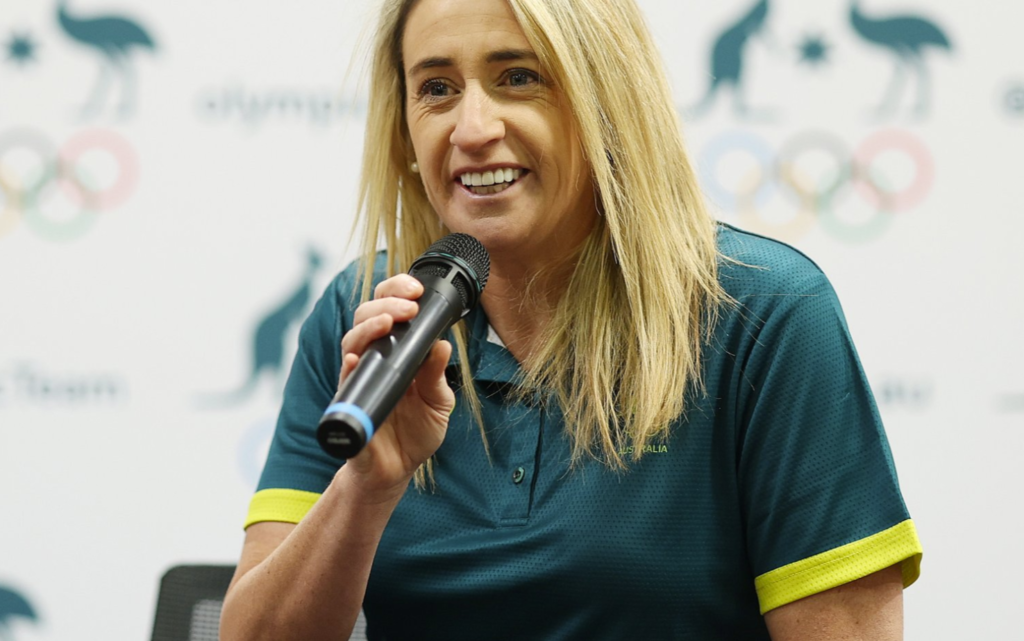
Ultimately, my winning mentality and strength of character was rewarded when I was selected for my first Matildas appearance against China in October, 1999.
R.S.
Can you describe your early journey with the Matildas?
H.G.
Early in my experience, we had tough coaches like Chris Tansey and Adrian Santrac but fortunately when Tom Sermanni took over the reins, things changed completely.
Tom was able to get the best out of me and I loved playing for him.
R.S.
How much has women’s football changed since you first played at a senior level?
H.G.
I still can’t believe how the women’s game has grown so much, but I am proud to say I was part of the pioneer movement which worked so hard to pave the way for future generations to excel in the sport.
R.S.
How do you rate the standard of the current Matildas with those playing in your time?
H.G.
It’s hard to compare eras because we were part timers, unlike so many of the current players who play full-time overseas.
The game is also quicker and players are in some cases playing 50-60 games a year.
However, from my era, players of the quality of Cheryl Salisbury, Di Alagich, Joey Peters, Lisa de Vanna and Julie Murray had that X-factor and would perform in any company.
R.S.
What is your opinion of the A-League Women’s competition?
H.G.
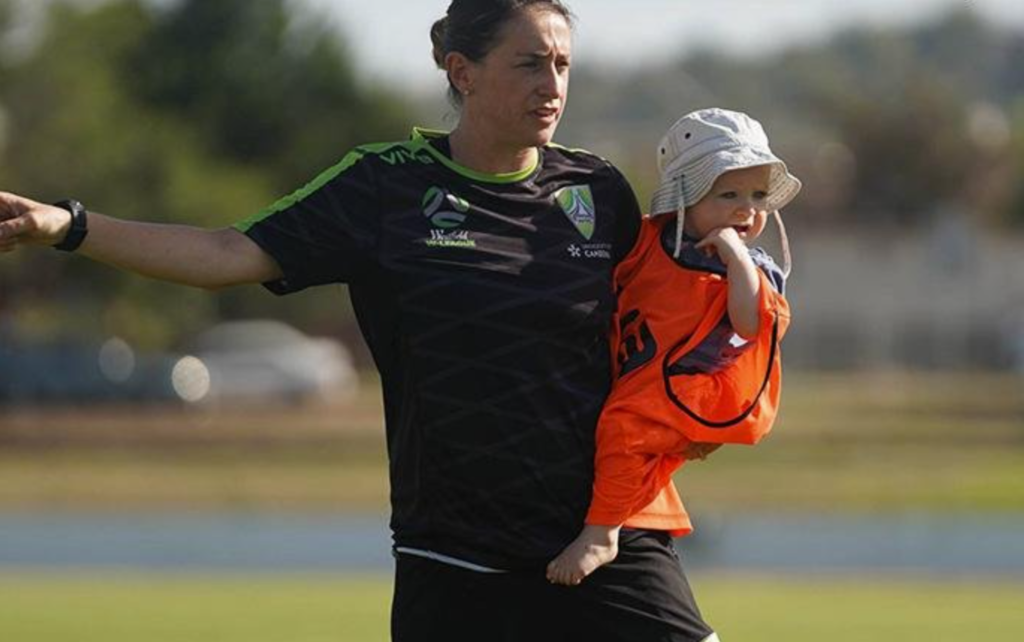
While the established Matildas are playing overseas at big clubs which has left a void, our young players are getting the opportunity to compete at the highest level in Australia.
Also, their local experience has been highly beneficial to the Young Matildas who are improving rapidly in international competition and the recent defeat of China was a testimony to this.
Furthermore, as the professionalism of the league improves, so will the quality of players.
R.S.
After the success of the Women’s World Cup, why hasn’t that success been capitalised on by infiltrating the business world to back the game?
H.G.
On the contrary, the Matilda’s brand is one of the strongest in Australian sport, superseding the Socceroos.
However, it’s not a competition between the two because we need both to be strong.
R.S.
You were appointed to the FA Board in September, 2021.
What is your role and what have you achieved in this time period?
H.G.
In this time, I’ve been involved in improving the lot of the Matildas, e.g. the collective bargaining process which has led to equal pay conditions with the men.
Also, I’m involved with overseeing the technical development, development pathways, junior national teams and focusing on the history of the game.
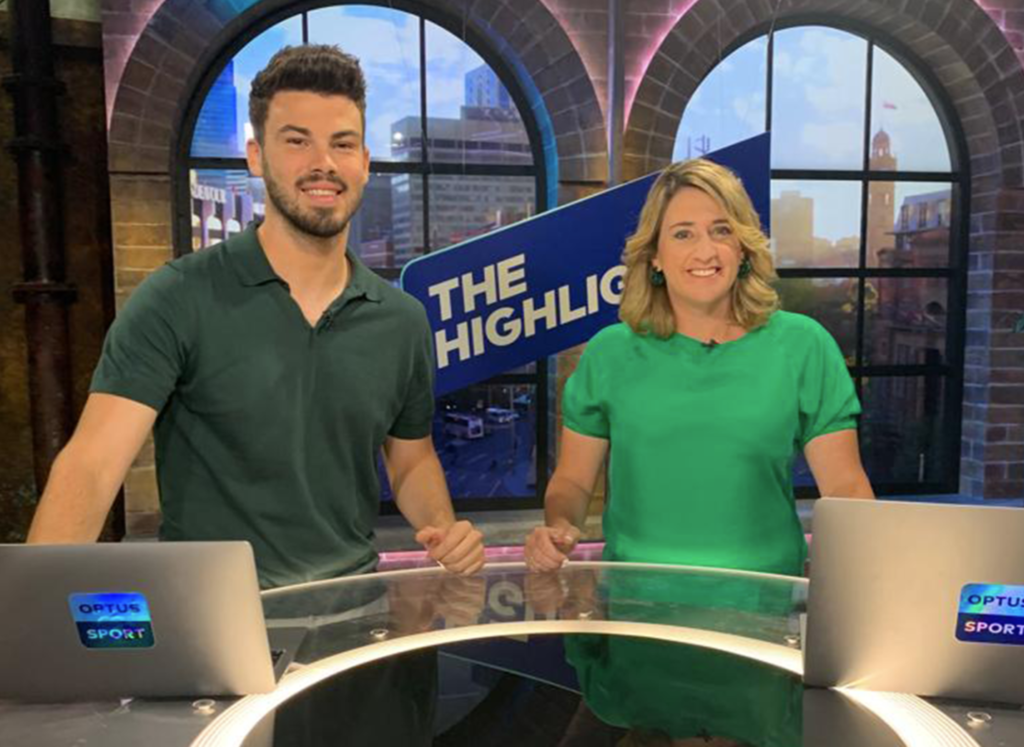
The success of integrating the former Matildas into the World Cup experience was a great achievement and we’ve had so much feedback about how they felt so accepted during the event.
R.S.
How do you rate the current FA Board’s ability to turn the future of the game around?
H.G.
We have a new team with new leadership in Chairman Anter Isaac, who has been in the game for many years and is determined to take the game to a new level.
The game has to be united with a top to bottom approach, with particular emphasis on working with the stakeholders and the member federations.
R.S.
Why can’t more opportunity be provided to former players from the women’s and men’s game to contribute their expertise, rather than non football people dominating the sport?
H.G.
This is a fair point to action and we must identify what they can contribute so the game benefits and becomes stronger in all areas.
Recently, we discussed the appointment of talent scouts to scour the country for the very best young players.
Obviously, there are many other areas they can be utilised.