


FIFA World Cup 26 Mascots and Why FIFA’s New Videogame Title Is Interesting

Did you know FIFA has already unveiled the mascots for next year’s FIFA World Cup? Did you also know the mascots will be FIFA’s first “interactive mascots” in an upcoming video game?

Being held all over North America (Canada, the United States, and Mexico), the colourful trio, Maple the Moose, Clutch the Bald Eagle and Zayu the Jaguar, will represent their respective countries in the FIFA World Cup 2026.

The FIFA World Cup mascot is made to represent the country hosting the game, its culture, and, more importantly, the game of football and FIFA. As ambassadors of the game, carefully designed by a team of experts, they are made to advertise football as a family-friendly event, especially to appeal to children in hopes of future generations of supporters.

FIFA President Gianni Infantino stated in the press release announcing the mascots that they are central to the incredible, entertaining atmosphere the governing body has created for the game-changing tournament.

“They’ll win hearts and spark celebrations across North America and around the world,” he said.

“I can already picture them on children’s shirts, high-fiving football legends, and—in another first for this tournament—staring in video games played by millions worldwide.”

The video game he’s referring to is FIFA Heroes, FIFA’s new licensed title where professional football teams and the tournament itself are replaced by playable mascots. From the first-ever mascot, Willie, to the current group, you can put in teams of five.

To put it into context, the videogame, which will release on all current-gen consoles and mobile next year in line with the beginning of the World Cup, is made for younger fans. The videogame will also be a part of the growing portfolio of FIFAe, the electronic entertainment and esports department of the governing body, to make digital football accessible to more fans, the press release said.

FIFA are also partnering with Roblox to deliver in-game events and host quests illustrating each mascot’s role with themed rewards, which, in my humble opinion, may not be a good idea after the news surrounding how the site polices itself this year.

All up, the news is very clear: FIFA are going to try to engage young fans through video games next year. But this isn’t a new move for them.

FIFA’s Videogame Franchise

FIFA has always had a significant presence in the videogame market. The body’s nearly annual titles are shipped by the millions across the world, and that’s only counting the physical copies. If the current year’s game is a little too pricey, you can go over to the bargain bin and grab a previous year for the same console.

Furthermore, since the 1980s, World Cups have had video game tie-ins to celebrate the tournament and the qualifying teams when they play in them. It’s only since 2018, when the 2018 World Cup was relegated to a DLC (downloadable content) for FIFA 18.

The audience of these games are primarily young males and people who enjoy the sport recreationally; not to mention, the games usually score well with critics.

So, why make a grand new title when the franchise you’ve created works? There’s not a clear enough answer, but we can guess creating a brand-new game with three times the stadiums and locations and then having national football team branding as well as being able to know which ones will qualify for next year in time is more expensive to make than using already owned mascots in a 5v5 football game.

So, What Makes The News Interesting?

By FIFA creating a game, developed and published by ENVER in partnership with Solace, for an event that changes location every event, it is more cost-effective and could be successful in bringing more attention to the FIFA World Cup by breaking the mould of tie-ins like done with the Olympics.

Also, FIFA Heroes having mascots from every World Cup appear allows the governing body and the creators of the game the ability to use the title for the next event and maybe continue the game into a larger franchise through FIFAe.

Though, to be fair, since it will be on mobile and it’s aimed at children, FIFA would definitely have to watch and safeguard against predatory advertisements and incentives in regard to microtransactions, which could negatively affect their children player base. Think more stealing their parents’ credit card than loot boxes.
Previous ArticleNext Article

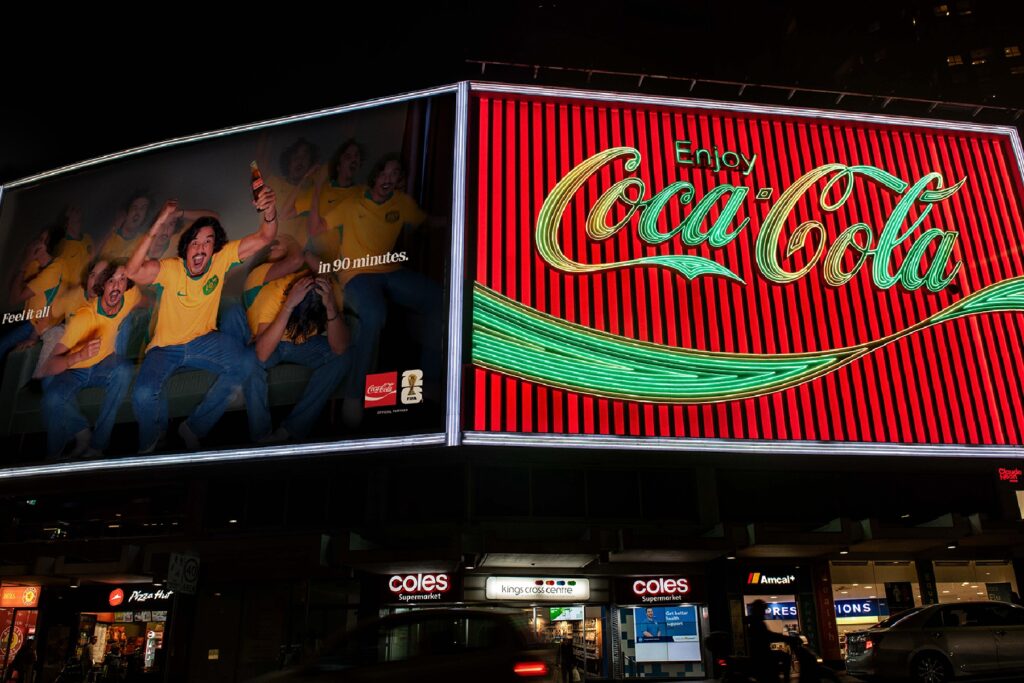
FA partners with Coca-Cola ahead of FIFA World Cup 2026

The two-year partnership will place the global soft-drink giants as the Official Supplier for Australia’s Men’s and Women’s senior national teams.


Global partner, global stage

As the Socceroos look to deliver performances on the pitch at this summer’s tournament, it is a move off the pitch which will capture the imagination of fans across the country.

Football Australia announced an exciting deal with Coca-Cola, designed to align the global reach of football – and of the brand itself – to unite and engage fans this summer as well as during the FIFA Women’s World Cup 2027.

Thus, through national campaigns featuring prize draws and the chance to access various rewards, Coca-Cola will help to drive passion and interest in upcoming major tournaments.

“This partnership brings together the global scale of Coca-Cola with the passion and reach of football in Australia, creating new opportunities to connect with fans across the country,” explained FA CEO, Martin Kugeler, via press release.

“The upcoming FIFA World Cup 2026 represents a key moment for the CommBank Socceroos, and the Coca-Cola campaigns will help bring supporters closer to the team through unique and engaging experiences.”

Furthermore, with the FIFA Women’s World Cup 2027 also set to enjoy similar campaigns by Coca-Cola, the partnership’s impact and reach will extend across both the men’s and women’s game.


Marketing power

As football continues to grow – both in financial power and population reach – collaborations with global brands are now an expected aspect of tournament build-ups.

The Royal Spanish Football Federation (RFEF) also struck a deal with fashion brand Loewe, set in place for the next four years. In a similar vein, England’s off-pitch teamwear will feature the marks of both Nike and Palace Skateboards, while France will receieve their prematch jersey from Nike and Jacquemus.

This is the state of the landscape. Aligning global brands and household names with a sport capable of reaching billions at once.

Values, reach and connecting with fans. Three key ingredients to a successful collaboration.

Such alignment is key to the partnership between FA and Coca-Cola, as recognised by Managing Director, Coca-Cola Europacific Partners, Orlando Rodriguez.

“For nearly 90 years, Coca-Cola has been a part of the fabric of Australian life – bring people together through shared moments,” said Rodriguez.

“Partnering with Football Australia reflects our continued commitment to connecting communities through experiences that unite the nation, with the CommBank Socceroos and Matildas at the heart of that.”

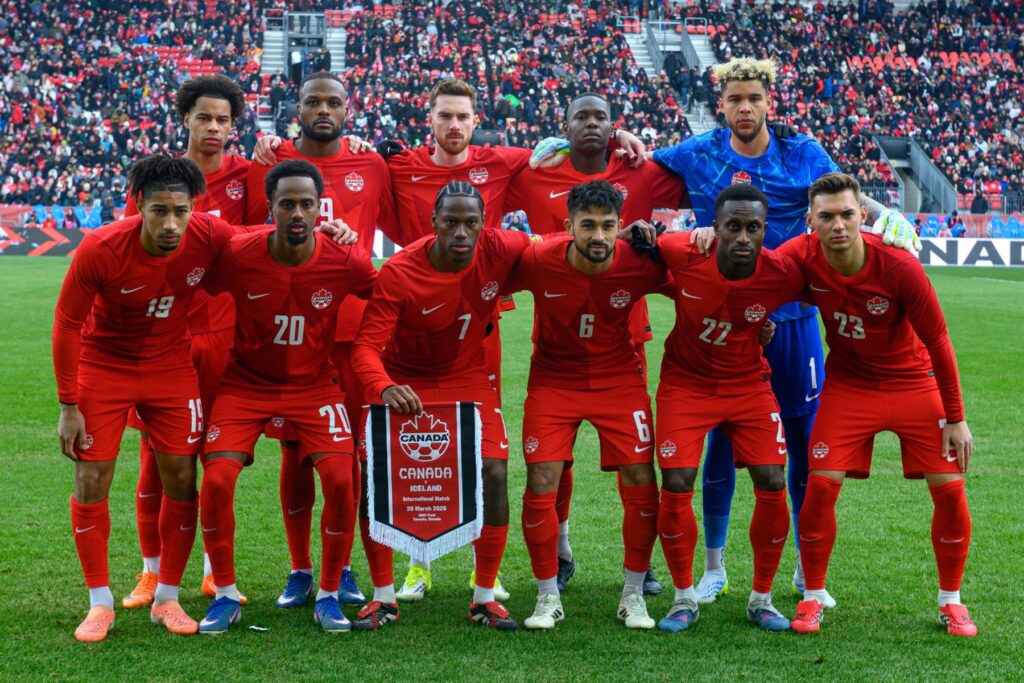
Canada Soccer to begin new National Training Centre project

Backed by the Government of Canada with an investment worth nearly AUD 10 million ($9,826,000), the project aims to establish a world-class facility for athletes, coaches and communities.

Building the sport and community

The investment comes as part of the Build Communities Strong Fund (BCSF), an ambitious program of the Government of Canada which will provide AUD 51 billion ($51 billion) to infrastructure projects over 10 years.

However, the Canada Soccer Training Centre is one key project which will benefit from such substantial investment. But the project isn’t just for future players – it will help boost economic activity and create a facility built for excellence and growth.

“It is about creating a world-class sport facility where athletes can train and represent Canada at their best,” explained Secretary of State (Sport), Honourable Adam van Koeverden, via press release.

“From the playground to the podium, it is projects like this that provide athletes, coaches, local families and communities with vibrant, accessible spaces to fuel participation, connection, and a growing passion for sport.”

President of Canada Soccer, Peter Auguros, further expressed his gratitude for the investment and what it could bring future generations.

“This support reflects a shared belief in the power of sport to strengthen communities and develop the next generation of Canadian talent. We are proud to partner in building infrastructure that will benefit our athletes and help shape the future of the sport in Canada.”


Growth gains momentum

With the FIFA World Cup 2026 set to kick off in a few short weeks, Canada Soccer’s plan for a National Training Centre Project is symbolic of long-term vision.

The tournament is not a final flourish, but a stepping stone to accelerated growth.

And this is not a short-term setup.

As President of Concacaf and Vice-Preisdent of FIFA, Victori Montagliani explained, this is a project designed to survive for generations.

“The development of a National Training Centre in Canada represents an important legacy project for the country and it is always a positive sign when our members invest in infrastructure across the region.”


Final thoughts

The project, therefore, perfectly aligns a growing buzz for football across the region with intentional investment and ambition.

And although the action must eventually stop on the pitch, Canada Soccer are ensuring that growth continues long after the tournament’s final whistle.

Most Popular Topics

Editor Picks

Send this to a friend