



America must fix issues before co-hosting 2026 World Cup

Copa America 2024 has kicked off the knockout stages with plenty of goals and drama on the pitch, but that has quickly been overshadowed by low attendances, poor pitch quality and sky high ticket prices leaving many fans, players and coaches stranded and confused.

In what can be seen as a prelude to a landmark 2026 FIFA World Cup, the USA have already shown signs of failing to host a major football event in a country where grassroots participation and attendances for the sport desperately need a revival.

These have been the main issues so far at the event that are in the spotlight if the US want to correctly co-host the biggest tournament with Mexico and Canada in the sport.

Attendance numbers

If the sweltering heat and embarrassing broadcast camera angles weren’t already bad enough, the US Men’s national team failed to sell out any of their three group stage matches, with a controversial 47,873 crowd for the opener against Bolivia in an 80,000 seat AT&T Stadium.

The comparison is to put it side-by-side with the Euros currently in Germany, where there have been no issues packing out stadiums with capacities of up to 75,000 and tickets selling out months in advance.

Fan culture is rife with many fan zones and packed watching venues keeping the streets busy with football fandom which is just completely non-existent in the US.

But there is a reason for all of this, and it can’t be for a lack of interest after Fox Sports confirmed that the must-win USA-Uruguay contest attracted an average of 3.78 million viewers on FS1.

According to Fox Sports, that was the largest audience to see a a match that isn’t a World Cup on FS1 and the highest-ever English-language viewership total in the United States for a Copa America match.

It smashed previous Copa America games so far, but it never translated to support in the stadium which gives the hosts slight encouragement on finding a solution to fix this problem.

Ticket Prices

Fans at the event are consistently being priced out, leading directly to the poor attendance numbers and lack of atmosphere.

The lowest ticket price for the quarterfinal matches of the Euros were as low as $96 to watch world-class teams such as Spain, Germany and France whilst in the Copa America, Ticketmaster and Seat Geek in the US had fans pay minimum of $163 for quarterfinal tickets.

This is without factoring in the travel expenses going from state to state versus the easily accessible matches in Germany that can be travelled via affordable public transport.

The NFL and NBA have some of the highest average ticket prices in all of domestic sporting leagues across the world, but the demand and entertainment offered gives fans a reason to accept its value. A sport like soccer in the US would thrive from its affordability and encourage any sports fan to give it a go.

Pitch Quality

Players and coaches have come out in the media to criticise the pitch quality in the Copa America so far, claiming the inconsistencies have negatively affected team performance and the way teams prepare for matches.

Emi Martinez and Weston McKennie’s harsh words after matchday 1 forced a statement out of CONMEBOL who defended the state of the pitches, too much controversy.

It simply has to change for 2026 if it wants to remain fit to host football’s grandest event.

With the 2026 World Cup set to be played in many of the same venues across the United States, each new controversy over pitch conditions at Copa América accentuates the ongoing concerns about the quality of the venues and the difficulty of using NFL stadiums for football.

Conclusion

Affordability is the biggest issue needing to change going into the 2026 World Cup.

Ticket prices must be affordable to account for the hike in prices across the country for travel and accommodation.

With the 2026 World Cup held in three geographically large countries, fans will be forked to shell out thousands on travel if scheduled to play in differing countries and states.

However, overall, this World Cup has real potential to live up to the success of 1994 that saw the sport boom in popularity in North America and that surge in popularity is definitely required for the future of the sport in the US.
Previous ArticleNext Article

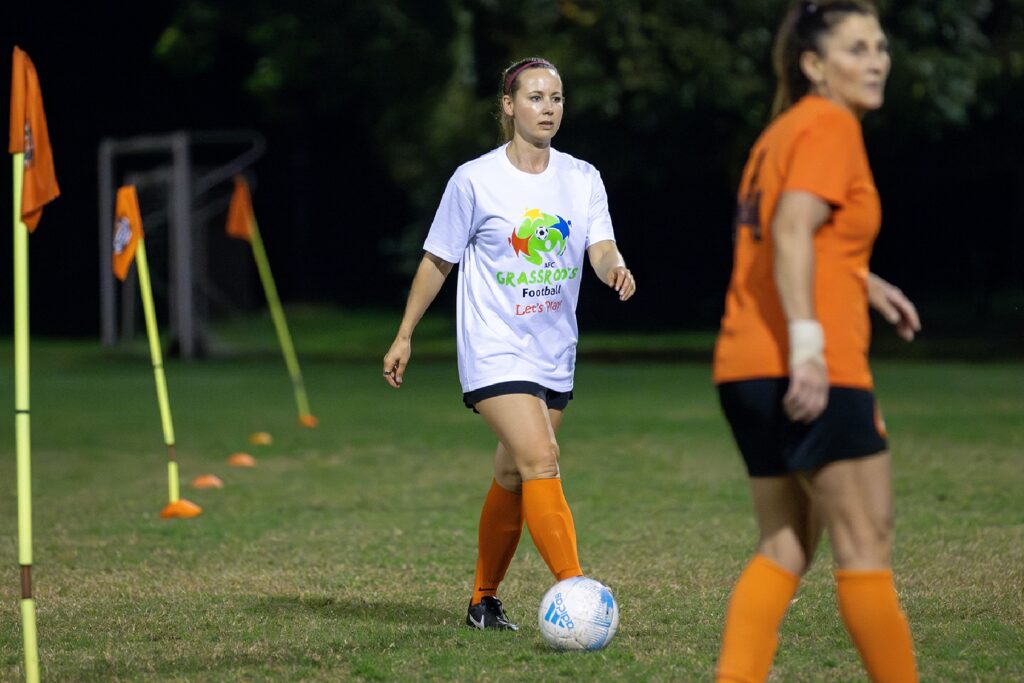
Community Spirit Shines on AFC Grassroots Football Day 2026

This week, Football Australia (FA) celebrated AFC Grassroots Football Day 2026, championing the people and communities who continue to hold up a safe, inclusive and supportive environment in the football landscape.

‘For all, for life’

In collaboration with Football NSW, Canterbury Football Association and community club, Balmain & District Football Club, the day reflected the very best of what football provides.

The event brought in participants of all ages – from 4-74 years-old – and reached a total of 400 people. Girls-only programs, all-abilities sessions and over-age football ensured all were catered for.

Such a diverse range of participants builds on a wider drive during FIFA World Football Week, which seeks to promote the sport not just as the dazzling lights of 100,000-seater stadiums, but as a way to foster community spirit and social development.

Furthermore, FA support through its Club Changer program was a welcome addition to the action, emphasising the organisation’s commitment to nurture a real love for the game across communities in Australia.

“Through Club Changer we support our clubs to provide a safe, fun and enjoyable environment where everyone is welcome; whether that be as a player, volunteer, referee or supporter,” explained National Program Manager Club Development at FA, Grace Lambourne.

“Everyone should feel they belong and are welcome to play, stay, and love the game.”


A welcome celebration

While the upcoming FIFA World Cup will no doubt inspire millions of future Socceroos and Matildas, events like the AFC Grassroots Football Day represent something beyond just inspiration.

It is a platform. An opportunity to express a love for football and to connect with others while doing so.

And connections between the professional and grassroots game is more important than ever if Australia is to nurture the next generation of talent.

This is particularly clear in the rise of women’s football across the nation. Since the FIFA Women’s World Cup, female participation rose by 32%, and registrations for the MiniTillies Program skyrocketed from 264 in 2023, to 1223 in 2024.

The professionals spark passion. But communities turn that passion into playing time.

That is why celebrating grassroots football – and the volunteers and families who sustain it – is a vital part of Australia’s football future. Together, FA and the AFC are creating strong foundations built on positivity, engagement, and inclusivity for all with a love for the beautiful game.

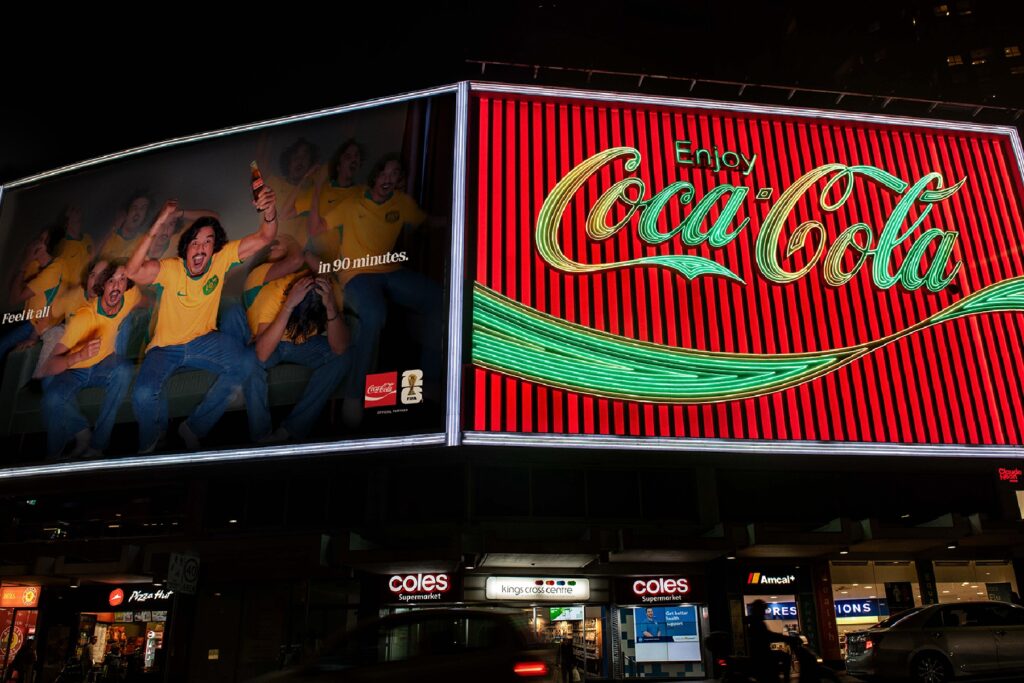
FA partners with Coca-Cola ahead of FIFA World Cup 2026

The two-year partnership will place the global soft-drink giants as the Official Supplier for Australia’s Men’s and Women’s senior national teams.


Global partner, global stage

As the Socceroos look to deliver performances on the pitch at this summer’s tournament, it is a move off the pitch which will capture the imagination of fans across the country.

Football Australia announced an exciting deal with Coca-Cola, designed to align the global reach of football – and of the brand itself – to unite and engage fans this summer as well as during the FIFA Women’s World Cup 2027.

Thus, through national campaigns featuring prize draws and the chance to access various rewards, Coca-Cola will help to drive passion and interest in upcoming major tournaments.

“This partnership brings together the global scale of Coca-Cola with the passion and reach of football in Australia, creating new opportunities to connect with fans across the country,” explained FA CEO, Martin Kugeler, via press release.

“The upcoming FIFA World Cup 2026 represents a key moment for the CommBank Socceroos, and the Coca-Cola campaigns will help bring supporters closer to the team through unique and engaging experiences.”

Furthermore, with the FIFA Women’s World Cup 2027 also set to enjoy similar campaigns by Coca-Cola, the partnership’s impact and reach will extend across both the men’s and women’s game.


Marketing power

As football continues to grow – both in financial power and population reach – collaborations with global brands are now an expected aspect of tournament build-ups.

The Royal Spanish Football Federation (RFEF) also struck a deal with fashion brand Loewe, set in place for the next four years. In a similar vein, England’s off-pitch teamwear will feature the marks of both Nike and Palace Skateboards, while France will receieve their prematch jersey from Nike and Jacquemus.

This is the state of the landscape. Aligning global brands and household names with a sport capable of reaching billions at once.

Values, reach and connecting with fans. Three key ingredients to a successful collaboration.

Such alignment is key to the partnership between FA and Coca-Cola, as recognised by Managing Director, Coca-Cola Europacific Partners, Orlando Rodriguez.

“For nearly 90 years, Coca-Cola has been a part of the fabric of Australian life – bring people together through shared moments,” said Rodriguez.

“Partnering with Football Australia reflects our continued commitment to connecting communities through experiences that unite the nation, with the CommBank Socceroos and Matildas at the heart of that.”

Most Popular Topics

Editor Picks

Send this to a friend