


Ange Postecoglou’s comments on ABC’s Offsiders Program in regards to putting Australian football first, were compelling and accurate.
The former Socceroo mentor and now coach of Yokohama F Marinos in the J-League was explicit, precise and curt when commenting on the necessary response to the COVID-19 pandemic within the Australian game. For Postecoglou, it is an opportunity to do something rarely seen. That being, an active positioning of football well above all the vested interests and personalities that for decades appear to have thought themselves bigger than the game itself.
The former South Melbourne player stated, “Never forget what your prime product is and your product is the sport……..If you devalue the sport, you can save as much money as you want, eventually that devaluation is going to cost you.”
For Australian football, the reference to money is the hottest topic of conversation right now. Foxtel appears to have reneged on its most recent payment due to FFA, with A$12.5 million yet to hit the savings account of the governing body.
With three years to run on a broadcast deal that was signed in 2016 and valued at A$346 million, the media giant is within inches of walking away and leaving Australia’s elite professional league without a host broadcaster.
That deal was originally cheered home in 2016 by then Chief Executive David Gallop, yet in the years that followed, little was done to advance, promote and forward the game by the powers at be. Postecoglou was on the sidelines in a coaching capacity with the Socceroos for some of that time and his comments were no doubt directed towards those whom he sees as having failed to keep football as the focus.
No doubt FFA were jubilant each and every time the Socceroos qualified for the World Cup and the subsequent financial windfall that came their way. However, little effort was made to bring the domestic game together as one. Despite increased awareness of and interest in NPL competitions around the land, the governing body baulked time after time when it came to making the essential leap to full promotion and relegation across the country.
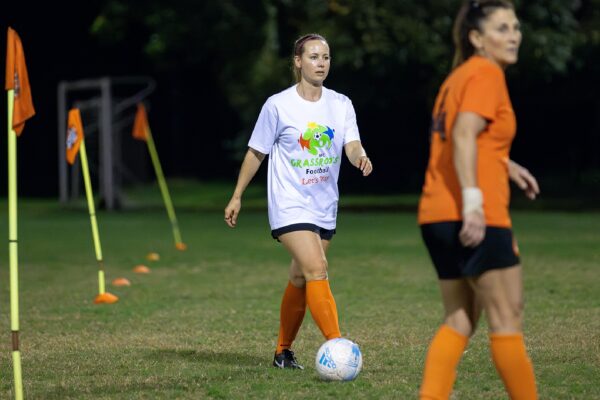
Essentially, Postecoglou’s words ring true to all those who have observed the first 15 years of the A-League competition. Efforts were made to expand the game from the elite level and little done to engage with the grass roots and the hundreds of thousands of Australians who showed little interest in the top tier competition.
By providing pathways for clubs to advance in league play and the ensuing incentive provided for players not directly involved in the rather limited junior and developmental systems of the ten A-League clubs, football in Australia has the potential to become interconnected and united; something of which Postecoglou is well aware.
Instead, the elite men’s competition had a few highs, many lows and ended up treading water over the last five years with little change, growth or development. High hopes were placed on expansion and Western United have made anything but a weak start to their existence. However, with the financial realities of COVID-19 hitting home, it is now likely we will see some A-League clubs fold or tread close to extinction.
A third Sydney team was looking shaky in its infancy and with the current climate now leading to seven of the eleven A-League clubs unable to pay players and staff, their birth seems unlikely; most probably postponed indefinitely until the football landscape becomes a little easier to read.
Postecoglou’s comments were almost certainly a less than cloaked attack on many Australian football relics whose failures of the past are common knowledge; the men involved in the failed final days of an NSL competition that fell victim to infighting and power struggles that served no purpose to the game.
They were also undoubtedly a direct attack on the lack of vision shown by the FFA in recent history; a governing body hampered by risk aversion and people possessing little knowledge of football.
Mark Schwarzer alluded to those power struggles when he called for the abolition of state federations on April 20, citing them as the “biggest problem in Australian football” due to a reluctance to relinquish power and influence.
Both Postecoglou and Schwarzer know the landscape all too well and have been to places that very few Australian footballers and/or managers have even dreamt. Something tells me that we should be listening to them as an industry and taking the advice of people with knowledge that extends far beyond our shores.
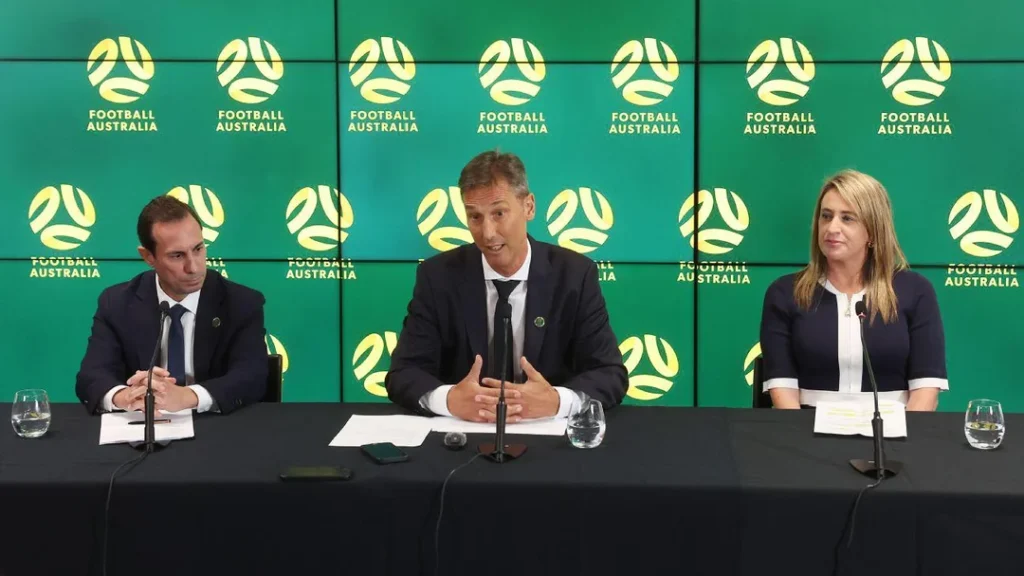
FFA boss James Johnson shares such knowledge and experience and it will be interesting to see how he incorporates their advice with that formed by the ‘Starting XI’ think tank he has assembled in an effort to guide the game through the problems created by the pandemic.
Mark Viduka, Josip Skoko, Clare Polkinghorne, Ron Smith, Mark Bosnich, Paul Okon, Frank Farina, Heather Garriock, Vicki Linton, Joey Peters, and Connie Selby will no doubt have strong opinions.
Whether they have the nous and vision to right what currently looks like a sinking A-League ship after Foxtel’s clear intention to walk away is unclear. Hoping they do should be the wish of each and every football fan in Australia.