

Football Australia has called on the NSW Government to establish a decade-long grassroots facilities fund worth up to $343 million, warning that without urgent investment in community infrastructure, the record participation growth driven by the AFC Women’s Asian Cup and the 2023 FIFA Women’s World Cup risks stalling before it takes hold.
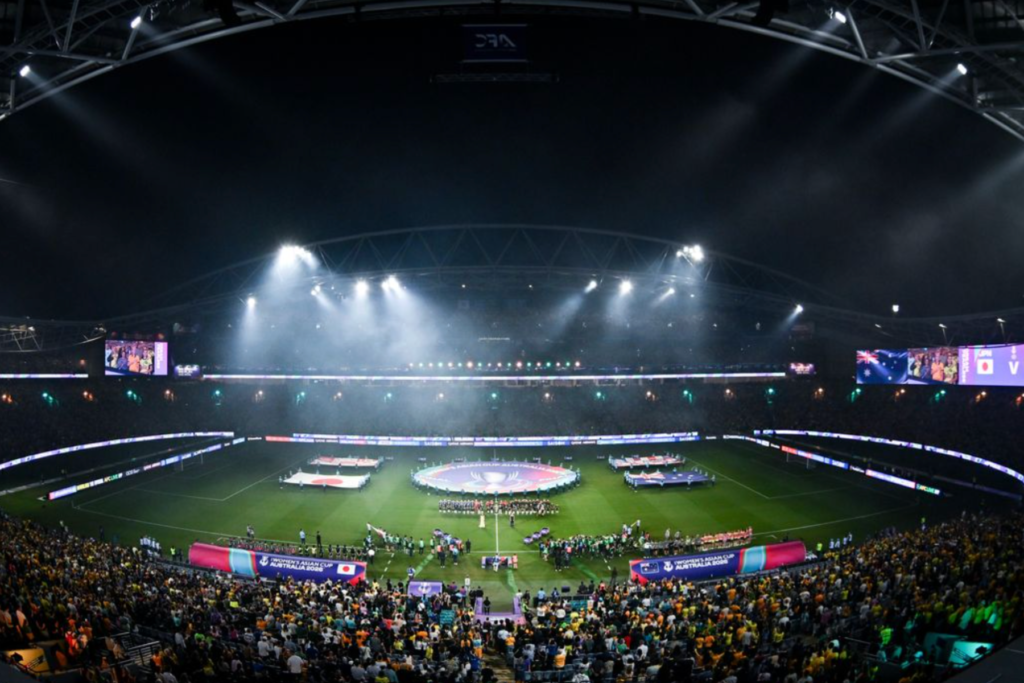
The call, made jointly with Football NSW and Northern NSW Football as the CommBank Matildas prepare to contest the Asian Cup Final in Sydney on Saturday, centres on a proposed NSW AFC Women’s Asian Cup Australia 2026 Legacy Fund. The proposal entails annual grant rounds of up to $34 million over ten years, administered by the NSW Office of Sport in collaboration with the state’s two football governing bodies.
The fund would prioritise female-friendly and gender-inclusive changerooms, upgraded lighting and drainage, and improved accessibility across metropolitan, regional and remote communities.
“The shortage of female-friendly changerooms is a particularly critical issue, impacting safe and equitable access to the game,” said Football Australia CEO Martin Kugeler. “Securing its future in NSW requires infrastructure that meets contemporary standards, supports equitable access, and reflects the expectations of the growing number of women and girls participating in the game.”
The Growth and Infrastructure Gap
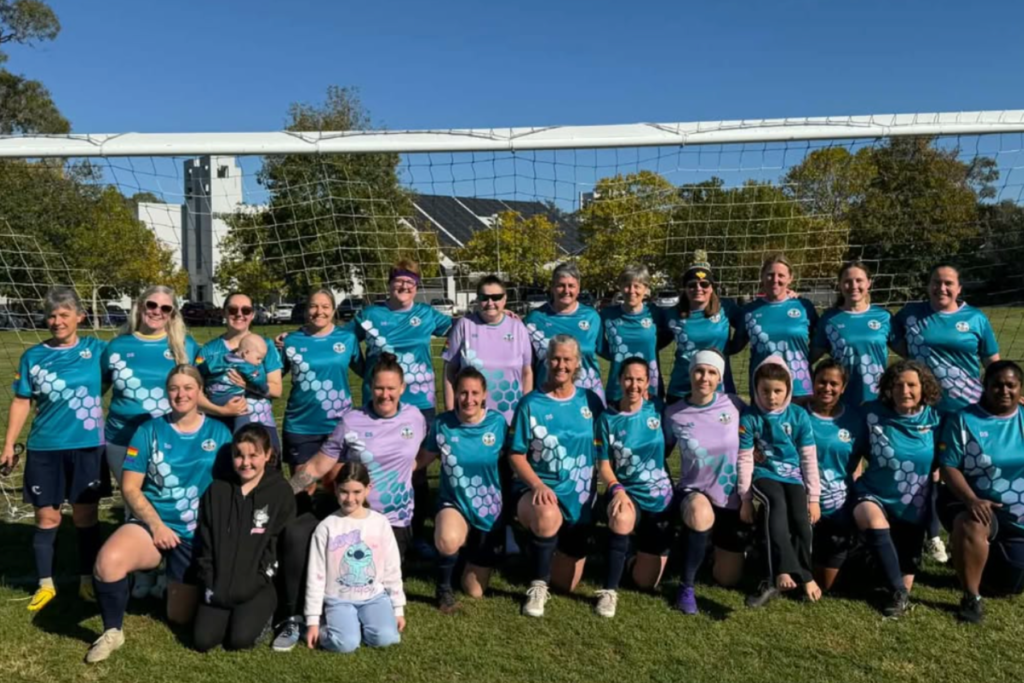
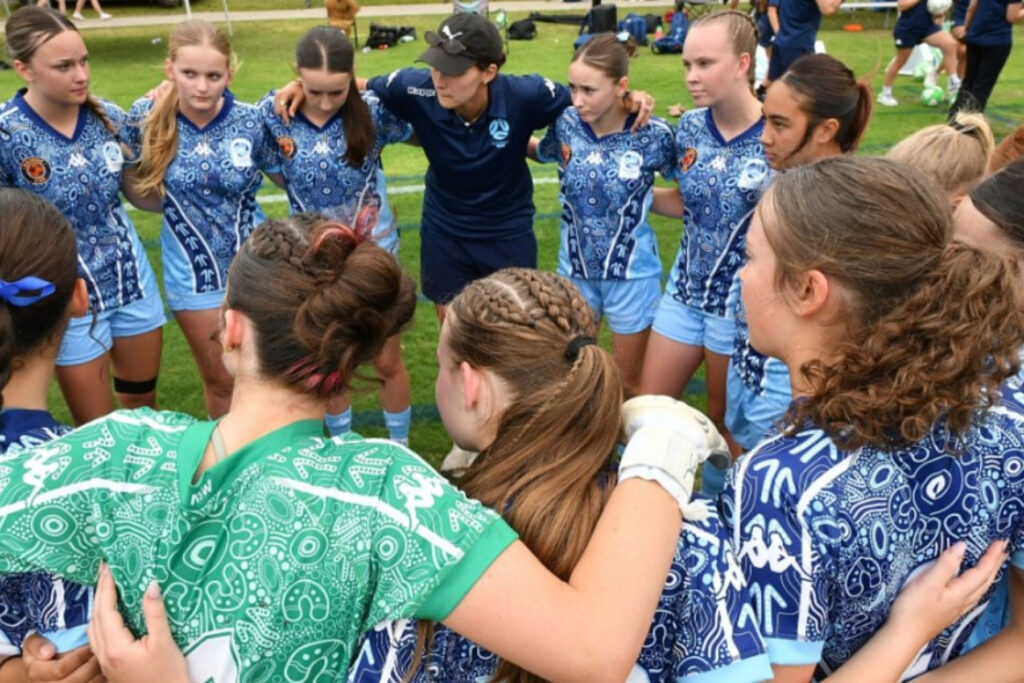
The case for the fund rests on a participation surge that has significantly outpaced the facilities available to support it. Female participation in NSW football grew by nearly 31 percent between 2022 and 2025, a trajectory accelerated by the 2023 World Cup and now further strengthened by a home Asian Cup that has drawn more than 260,000 attendees to NSW venues alone, including over 25,000 interstate and international visitors. The tournament is forecast to contribute an estimated $260 million in national economic output.
Independent analysis commissioned by the three football bodies found that NSW currently requires a ten-year infrastructure plan to adequately bridge what they describe as a facilities gap: the distance between the current condition of community grounds and the standard required to keep pace with demand.
Football NSW CEO John Tsatsimas said the problem was structural and long-standing. “Historically, established and aging facilities do not cater for all-gender use, which doesn’t support growing participation by women and girls,” he said. “Across NSW, fields currently lose around 34 percent of their capacity due to playing field conditions- issues including lack of functional drainage infrastructure, insufficient lighting, and no irrigation or substandard below-ground infrastructure.”
Clubs unable to meet demand are turning players away. Facilities without adequate changerooms are effectively telling women and girls that the game was not built with them in mind, because in many cases, it wasn’t.
“Many clubs are struggling to keep pace, with outdated and inadequate infrastructure limiting opportunities for women and girls,” Kugeler said.
Regional communities bearing the pressure
The infrastructure deficit is not evenly distributed. Northern NSW Football CEO Peter Haynes said participation across the region was at record levels and still rising, but that the rate of growth had exposed how far government investment had fallen behind.
“The demand is not coming, it’s already here,” Haynes said. “More players, more teams, more competitions, but without the infrastructure and support to match, that growth becomes increasingly difficult to sustain.”
Haynes pointed to the particular pressure on regional communities, where the boom in women’s and girls’ football has been pronounced, but facilities have historically received less investment than metropolitan areas. “We have the players, the passion and the momentum,” he said. “What we need now is the long-term investment to ensure women’s football not only grows but thrives for generations to come.”
The equity dimension of that argument is difficult to overstate. Access to safe, functional sporting facilities is not evenly distributed across income levels or geography, and the communities most likely to be underserved are often those where participation growth has been most significant.
Legacy beyond the tournament
The timing of the call is deliberate. Major sporting events generate participation surges that are well documented, and equally well documented is the tendency for those surges to dissipate when the infrastructure to sustain them is not in place. Football Australia’s pitch to the NSW Government is an argument that the Asian Cup’s legacy should be measured not in ticket sales or television audiences but in the number of women and girls still playing five and ten years from now.
“The legacy of the AFC Women’s Asian Cup 2026 should endure well beyond the conclusion of the tournament,” Kugeler said. “Women’s sport, and football in particular, are essential to building a more equal, healthy and inclusive society.”
The NSW Government has not yet responded to the fund proposal. The Asian Cup Final took place at Stadium Australia last Saturday.