

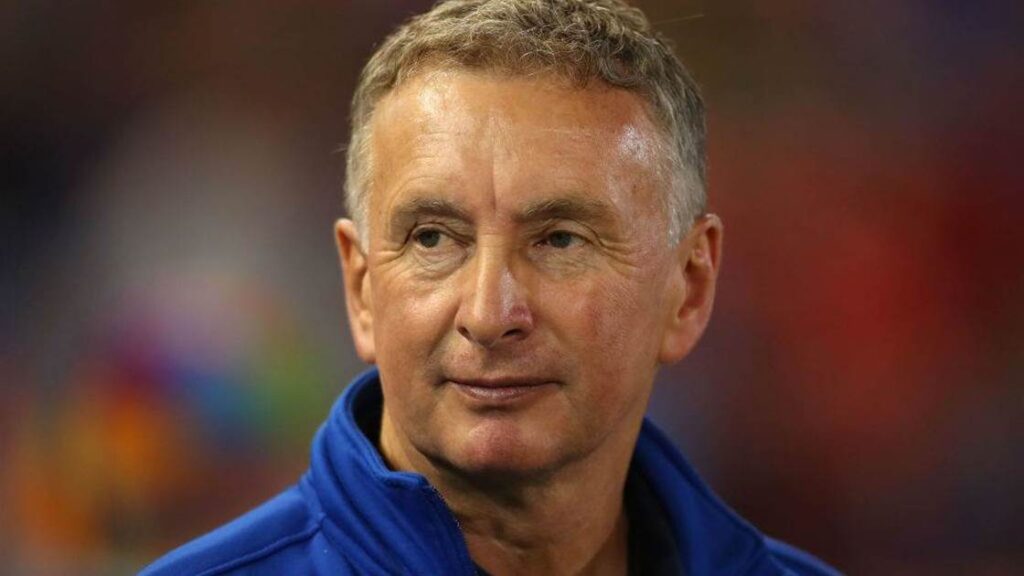
FCA Ambassador Ernie Merrick on being a football coach

The players must have clarity in their roles and a belief in the formations and structures being implemented by the Head Coach.

As often stated, there are only two types of coaches in football – “those that are sacked or those about to be sacked”.  Such is the emotional nature of the sport and the insecurity of the role.

It seems that, in most football clubs, negative short-term results determine the employment status of the coach. How much time are the club Board prepared to allow the Head Coach to build a team for the future?

Football can be simplified and defined as a team invasion game. The objective is to invade territory to an area where goal-scoring is possible. The players must have clarity in their roles and a belief in the formations and structures being implemented by the Head Coach.

A major failure of any player is not being involved in the invasion. Penetration through forward passes and movement is critical and everyone needs to play their part. FEAR is the foremost inhibitor of performance.

There is no doubt, that the noise from the critical and emotional minority affects decisions regarding short-term results – wins or losses.  Logic and reason would favour a coach who strategically plans and implements developmental processes which will deliver sustained success over time. Sir Alex Ferguson won Manchester United’s first EPL Premiership after 7 years and went on to win 13 EPL Championships and 17 other trophies.

The ultimate aim of the coach is to find the line between luck and skill and shift it. Luck plays a role but the implementation of programs that develop skilled technique, tactical decision-making, strategic awareness and game plan execution will grow the club and achieve continued success in the longer term. The Head Coach focuses on the TEAM, however, management is about INDIVIDUALS.

The modern professional game requires expert staff comprised of coaches and service providers to cover all aspects of player development – technical, tactical, physical, mental and personal skills. The Head Coach/Manager must demonstrate that he is able to coordinate the staff and drive change with a clear vision of the processes involved. He must be capable of planning a comprehensive holistic program and develop relationship skills that encourages staff and player buy-in and a willingness to be accountable.

The Head Coach must demonstrate competence in:

  • Enlisting support staff with qualifications, experience and education skills
  • Targeting the recruitment of players who fit specific profiles within the team game plan who have the necessary skill set combined with the right mindset and resilience
  • Implementing a program which clearly defines his coaching philosophy
  • Designing an attacking Game Model that will provide the best opportunity for success
  • Encouraging a brand of football that excites the crowds and makes them feel part of the game
  • Providing the club fans via the media with club driven news and team information

Poor results in the early stages of the coach appointment is not unusual but has to be managed and conciliated. Providing honest relevant information which accepts and identifies problematic issues and a club perspective on how matters will be resolved is always helpful.

Winning teams embrace pressure and the weight of high expectation.

The key to long term success is managing failure and learning from it.

As Einstein states – “Failure is success in progress.” [That’s Jimmy Einstein from Glasgow not Albert].
Previous ArticleNext Article

Inside GIS’ New Executive Edge Program Driving Sport’s Future Leaders

A new executive education program designed to shape the next generation of sports industry leaders is set to launch in June 2026, offering participants a rare blend of academic insight and real-world application at the highest level of global sport.

The Executive Edge in Sport, delivered by Global Institute of Sport (GIS) in partnership with Rotman School of Management Executive Programs, will provide current and aspiring leaders with the tools needed to navigate an increasingly complex and fast-evolving sports landscape.

The seven-week program, Sports Leadership Essentials, is delivered primarily online, offering a flexible and immersive learning experience for professionals worldwide. It is tailored for individuals seeking to strengthen their leadership capabilities within sport, as well as those aiming to transition into senior roles. This includes athletes navigating their post-playing careers.

Led by Sharona Friedman, President and CEO of GIS, and Walid Hejazi, Professor of Economic Analysis and Policy at Rotman, the course combines academic rigour with industry relevance. Participants will engage with key topics shaping modern sport, including leadership and strategy, governance and ethics, finance and revenue models, marketing and fan engagement, event operations, and the growing influence of AI and emerging technologies.

The program also features exclusive masterclasses with senior figures from across the global sports industry, alongside sessions led by leading academics and practitioners from the Rotman School.

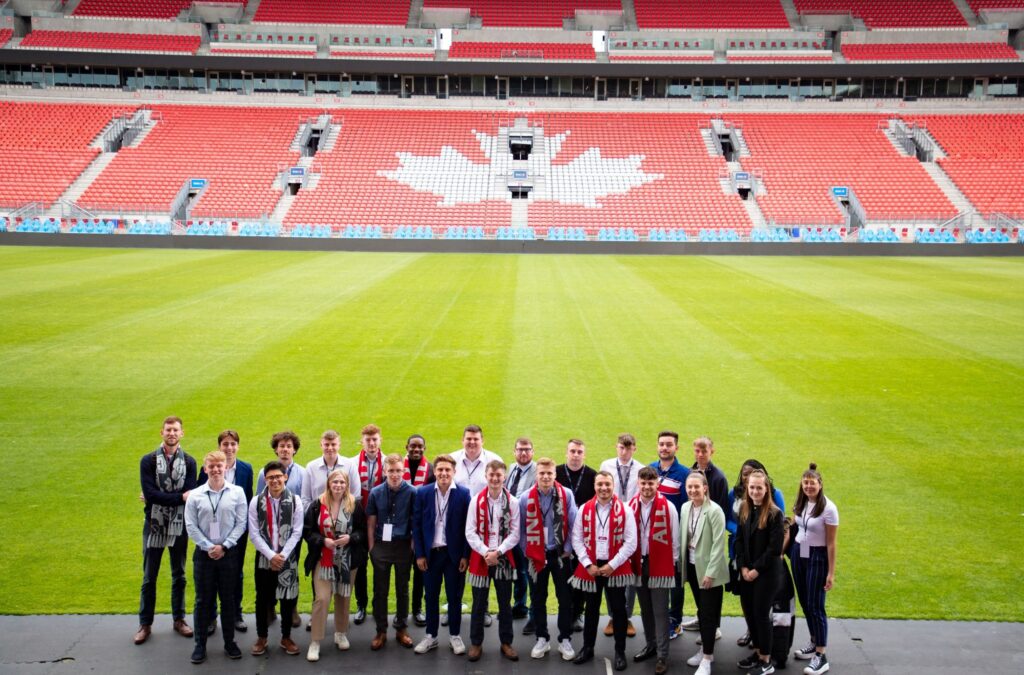
For those seeking a more hands-on experience, participants can opt into the Sports Leadership Lab. This is a four-day, in-person summit held at BMO Field in Toronto. Delivered in collaboration with Maple Leaf Sports & Entertainment, the lab provides behind-the-scenes access to elite sport operations, bridging theory with practice in a live stadium environment.

As the global sports industry continues to expand and evolve, The Executive Edge in Sport positions itself as a critical pathway for leaders looking to stay ahead. It provides students with the knowledge, network, and perspective required to lead with impact.

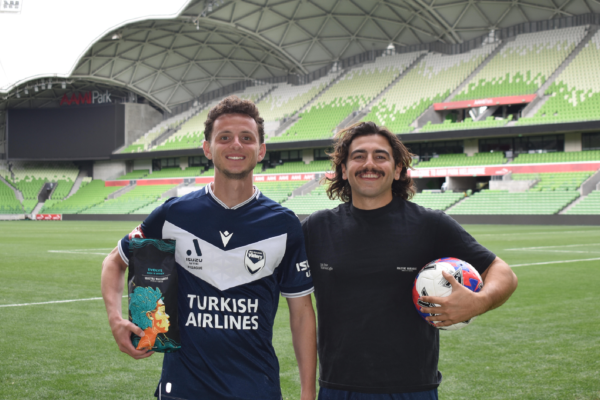
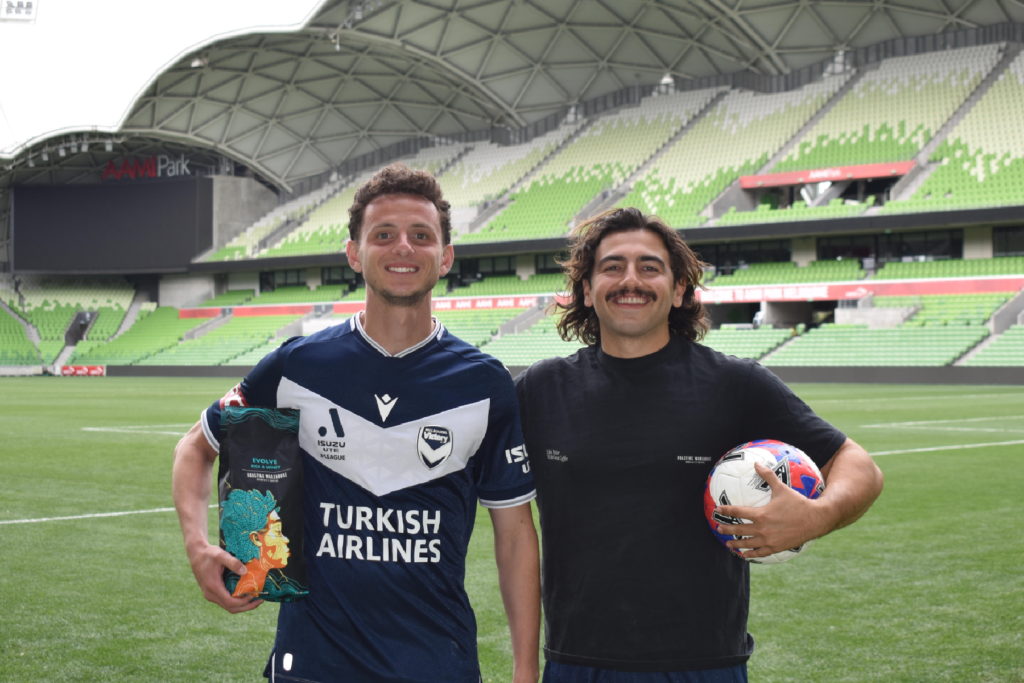
Victory unites with Roasting Warehouse in culture-led partnership

The Melbourne-based anf family-owned business will join the Victory family, uniting two institutions which represent the city’s culture and identity.

A partnership with local roots

As the newest partner of Melbourne Victory, Roasting Warehouse joins forces with a vital part of the city’s sporting landscape.

The club’s Managing Director, Caroline Carnegie, outlined why the partnership bears so much value to both parties.

“We are excited to collaborate with Roasting Warehouse, a community-oriented destination for high-quality coffee, proud of its foundations in Melbourne,” said Carnegie via official media release.

“Football and coffee sit at the epicentre of Melbourne’s culture. The two go hand-in-hand, consistently at the centre of the conversation that stirs Melburnians, which is no different to the conversation sport and Melbourne Victory stir in the State.”

Indeed, this is a partnership which combines the identity, passions and culture of an entire city, therefore giving it the foundations required for long-term, mutual success.

Representing the best of Melbourne

Both Victory and Roasting Warehouse are hugely successful in their respective industries. They are institutions with community-oriented philosphies, who pride themselves on craft and quality.

“We’re incredibly proud to partner with Melbourne Victory, a club that represents the heart, passion, and ambition of Melbourne,” revealed Roasting Warehouse Head of Brand, Alexander Paraskevopoulos.

“As a Melbourne-founded, family-run business, supporting a team that means so much to the local community feels very natural for us.”

Furthermore, through their high-quality blends, Roasting Warehouse will look to prepare Victory’s players and staff for high performances on the pitch as the seasons nears completion.

But this is about far more than just fueling athletes.

This is a partnership which embodies and unites two of Melbourne’s greatest strengths and cultural markers – a connection forged from the city’s very own DNA.


For more information about Roasting Warehouse, click here.

Most Popular Topics

Editor Picks

Send this to a friend