




Northern NSW Football sees four state-of-the-art facilities upgraded

Local councils across the Hunter have significantly contributed to facility developments in the region.

Valuable council support

The clubs at the centre of the new upgrades include three in the NPL Northern NSW (in Kahibah FC, Lake Macquarie City FC and Weston Bears FC) as well as one community club in Singleton Strikers.

Club members, volunteers and players alike celebrated as Harold Knight Oval, Macquarie Field, Alroy Oval and Hunter City Motor Group Stadium revealed their new look.

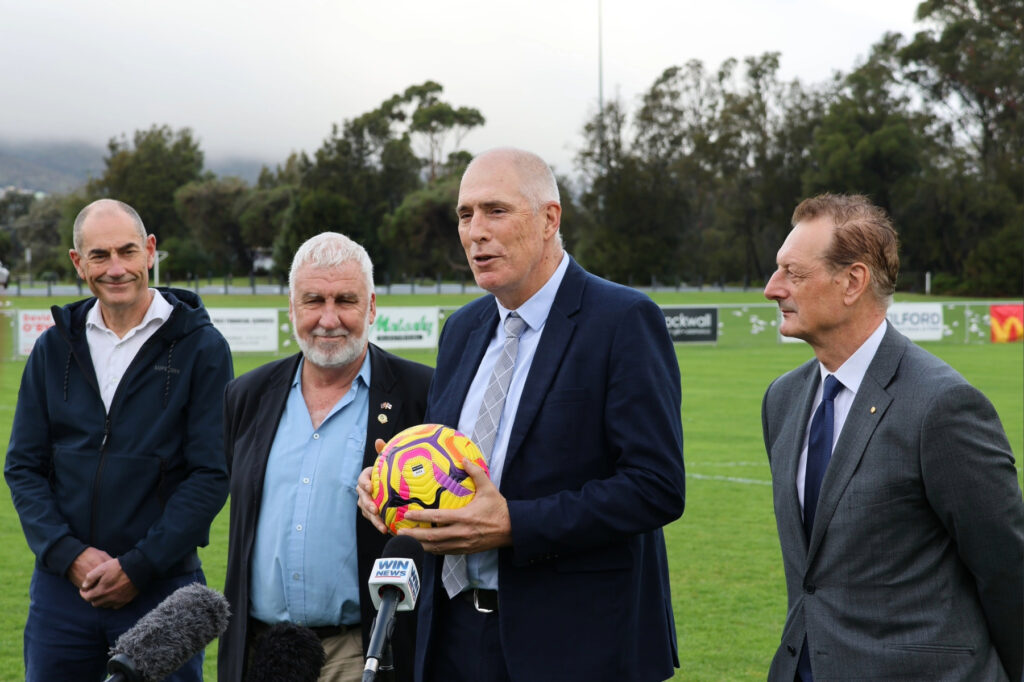
“We’re incredibly proud to officially open four brand new facilities across the Hunter region that will provide safe and modern spaces for players, club members and spectators,” said Northern NSW Football Government Relations Manager, Gary Fisher.

“This is a huge step forward for all aspects of football and we couldn’t have achieved it without the strong support of our local government.”

From pristine pitches to state-of-the-art indoor spaces, football in Northern NSW is witnessing major developments for the game and all custodians across the state.


The numbers at a glance

Harold Knight Oval, home of Kahibah FC, saw $5.3 million invested into the new facilities. Of this, $1 million came from the NSW’s government’s Greater Cities and Regional Sport Facility Fund. Additional contributions (up to $200,000) came from the Australian government’s Local Roads and Community Infrastructure Program, while Northern NSW Football (NNSWF) gave $100,000 to further facility upgrades.

Macquarie Field, on the other hand, saw a $2.7 million renovation supported by the combined efforts of Lake Macquarie City Council and NNSWF, with the latter contributing $21,000.

Alroy Oval, home of community club, the Singleton Strikers, received a huge $3 million contribution from the Australian government Investing in Our Communities grant, as well as backing from the NSW government and Singleton Council.

Finally, Weston Bears FC’s Hunter City Motor Group Stadium underwent a major $6.4 million upgrade, helped largely by the collective efforts of Cessnock City Council and a Federal government grant totalling $3 million.


Upgrading the game for all

Gender-neutral amenities, improved pitch conditions, refurbished granstands and modern changerooms are just a few examples of the additions made possible by council support in Northern NSW.

The upgrades, of course, reflect significant financial backing from local councils, NNSWF and the Australian government. Nevertheless, the value of these improvements extend far beyond the numbers at the surface.

When used effectively, and with genuine purpose, major funding nurtures not only the players and coaches who use them now, but the future stars and spectators who will continue to feel the benefit for many seasons to come.
Previous ArticleNext Article

Northern NSW Football opens registrations for Female Football Week 2026

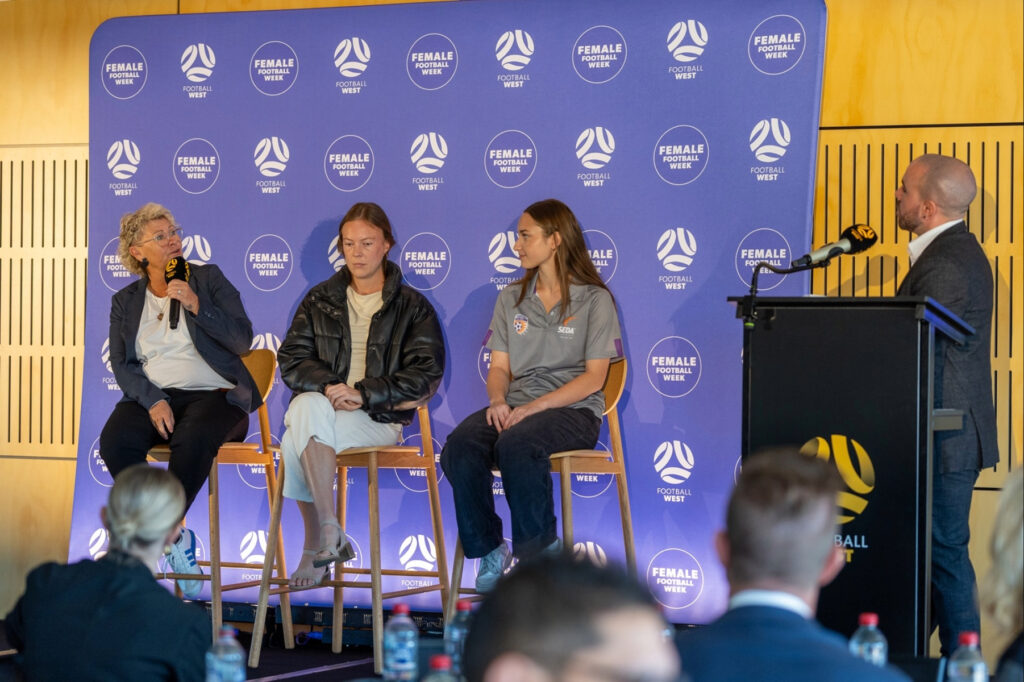
Northern NSW Football has opened registrations for Female Football Week 2026, inviting clubs, players, coaches, referees and administrators across the region to take part in a national celebration of women’s football running from Friday May 8 to Sunday May 17.

Now in its latest edition, Female Football Week provides a structured opportunity for the football community to acknowledge the contributions of women and girls to the game at every level, from grassroots volunteers to elite competitors. The week sits within a broader national context of record participation growth in women’s football following the AFC Women’s Asian Cup, with northern NSW among the regions experiencing some of the most significant increases in female registrations over recent seasons.

The first 40 clubs to register will receive a club activation pack. Registered clubs will also receive promotional support through the NNSWF website and access to Female Football Week advertising collateral, with activities ranging from panel discussions and workshops to social media campaigns highlighting female participants within their communities.

Award nominations are also open across six categories, Player of the Year, Coach of the Year, Referee of the Year, Volunteer of the Year, Community Champion of the Year and Club of the Year, recognising individuals and clubs making significant contributions to women and girls’ football in northern NSW over the past twelve months.

“Female Football Week is a fantastic chance to highlight the passion and talent of female players, coaches, referees and volunteers across the northern NSW community,” said NNSWF Participation and Women’s Football Officer Serena Carter. “There’s something for everyone with activities and events catering to all levels, from grassroots through to elite competition.”

Stop Complaining, Start Building: Why Proactive Clubs Always Win

It’s a tale as old as time in grassroots sport: your club is stuck in a “time warp” facility, sharing a severely overused pitch with another code, while a club a few suburbs over just scored millions of dollars in council funding.

It is incredibly frustrating. The disparity in local government funding, the draconian facility-sharing arrangements, and the feeling that your sport is constantly fighting an uphill battle in certain heartlands can make committee members want to throw their hands in the air.

But when faced with this reality, your club has a choice. You can go on a rampage of advocacy – bitching, moaning, and focusing on everything the council or state sporting body isn’t doing – or, you can focus on what you can control.

The Post-COVID Divide

Think back to the clubs that emerged from the COVID-19 lockdowns. During that time, every club faced the exact same external restriction: nobody could play.

However, two distinct types of clubs emerged.

The first type went dark. They complained about the government, complained about the lack of support from their Peak Bodies, and disconnected from their members. They took years to recover.

The second type of club stayed connected. They acknowledged the reality but focused entirely on what they could do. They posted backyard drills on TikTok, sent training plans to parents, and kept their community engaged. As soon as restrictions lifted, they were on the front foot, miles ahead of the competition. Same environment, entirely different mindset.

The Circle of Control

In business and in sport, there is a circle of concern (things you care about but can’t change) and a much smaller circle of control (your own thoughts, behaviours, and operations).

If you have signed a 10-year lease on a substandard facility, that is your playing field. You aren’t going to change it tomorrow. So, how can you win given the rules you have?

·  Run a tight ship financially.

·  Pay your rent on time.

·  Communicate brilliantly with your members.

·  Streamline your governance.

Government likes to back a winner. If you spend your time spinning up the flywheels of good marketing, membership growth, and volunteer connection, you build a small business that clearly has its act together. When it comes time to advocate for better facilities, you aren’t just a complaining club—you are a highly successful, proactive community asset that councils will want to support.

Is your club stuck in a cycle of complaining? It’s time to take control of what you can. Contact CPR Group today to find out how our clubMENTOR program and strategic planning services can put your club on the front foot.

Most Popular Topics

Editor Picks

Send this to a friend