


Northern NSW Football opens applications for NNSWF Facilities Fund

NNSWF

Applications are now open for the fourth round of Northern NSW Football’s Facilities Fund.

Northern NSW Football’s Facilities Fund was established in 2019 and aligns with the NSW Football Infrastructure Strategy.

The fund has seen NNSWF invest $714,928 in community football infrastructure projects since its inception, with partner funding of $848,199 taking the total project value to $1,563,127.

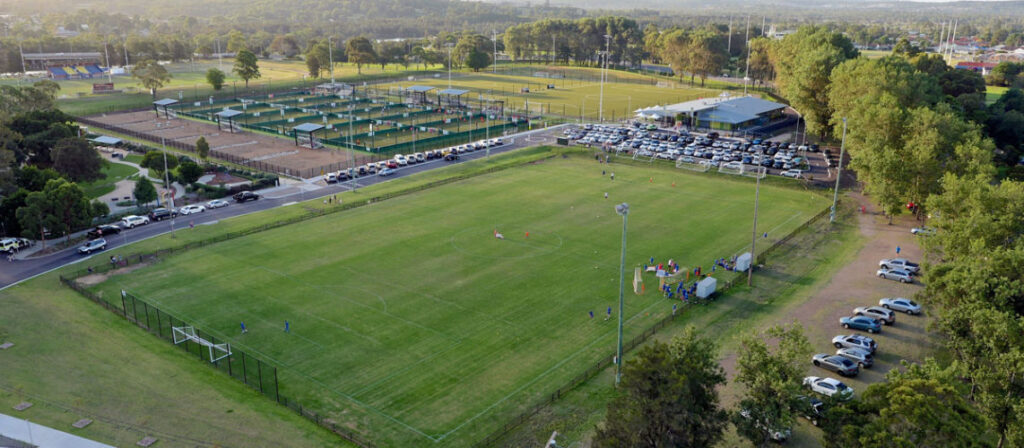
These 14 projects have supported more than 6,500 players, referees, coaches and volunteers, and have included lighting, amenities and field upgrades.

The Facilities Fund was established in order to assist football clubs to partner with local stakeholders such as Local Government Authorities, state government, schools, other sports and relevant landowners to improve the football experience for players, referees, coaches and volunteers and to provide opportunities for more participants to play more football more often.

In addition, the Facilities Fund seeks to improve the safety of community facilities, provide inclusive football opportunities within clubs and improve security at community football facilities.

Northern NSW Football Community Football Manager Ross Hicks says funding came from a portion of player registration fees, with football money going back into helping football clubs.

“The Facilities Fund provides clubs another avenue to seek significant funding for facility projects and in turn increase participation, improve safety and security, assist in building stronger communities through football and improve the overall football experience for their members and stakeholders,” Hicks told Northern NSW Football.

“We would particularly encourage clubs from the Football Far North Coast and North Coast Football regions that have been impacted by the devastating flood disaster earlier this year to make an application.

“We have seen the positive impacts the fund has already had on clubs and their facilities. This is a wonderful opportunity for clubs. Please don’t miss out.”

Applications opened on Wednesday June 1, with applications to close on Friday, July 15.

Successful applications will be announced in August to coincide with the Future of Football roadshow.

NNSWF is committed to improving places to play, a focus area set out in its Play On Strategic Plan. NNSWF’s goal is to increase the number of football facilities that are fit for purpose, welcoming and support the growth of the game.

Interested clubs can read the Facilities Fund Guidelines and apply HERE.

For more information or help in making an application contact NNSWF Community Football Manager Ross Hicks (4941 7200 or rhicks@northernnswfootball.com.au).


Previous ArticleNext Article

Northern NSW Football opens registrations for Female Football Week 2026

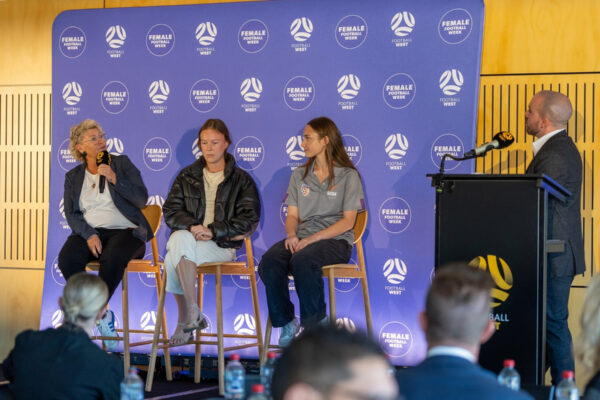
Northern NSW Football has opened registrations for Female Football Week 2026, inviting clubs, players, coaches, referees and administrators across the region to take part in a national celebration of women’s football running from Friday May 8 to Sunday May 17.

Now in its latest edition, Female Football Week provides a structured opportunity for the football community to acknowledge the contributions of women and girls to the game at every level, from grassroots volunteers to elite competitors. The week sits within a broader national context of record participation growth in women’s football following the AFC Women’s Asian Cup, with northern NSW among the regions experiencing some of the most significant increases in female registrations over recent seasons.

The first 40 clubs to register will receive a club activation pack. Registered clubs will also receive promotional support through the NNSWF website and access to Female Football Week advertising collateral, with activities ranging from panel discussions and workshops to social media campaigns highlighting female participants within their communities.

Award nominations are also open across six categories, Player of the Year, Coach of the Year, Referee of the Year, Volunteer of the Year, Community Champion of the Year and Club of the Year, recognising individuals and clubs making significant contributions to women and girls’ football in northern NSW over the past twelve months.

“Female Football Week is a fantastic chance to highlight the passion and talent of female players, coaches, referees and volunteers across the northern NSW community,” said NNSWF Participation and Women’s Football Officer Serena Carter. “There’s something for everyone with activities and events catering to all levels, from grassroots through to elite competition.”

Northern NSW Football Calls in SAPA as Participation Surge Sparks Big Plans

Northern NSW Football has commissioned Sports Advisory Partners Australia to lead the development of its 2027 to 2029 Strategic Plan, a process that will shape the direction of one of Australia’s most significant regional football markets at a moment when the game nationally is navigating unprecedented growth and structural complexity.

The engagement, announced this week, will see SAPA conduct extensive consultation across NNSWF’s registered participants, member zones, standing committees, board of directors and executive leadership before delivering a final plan scheduled for release in September. The firm brings to the project a track record that spans Football Australia, the A-Leagues, AFL, Rugby Australia, Golf Australia and the Oceania Football Confederation.

NNSWF CEO Peter Haynes said the organisation intended to be deliberate and ambitious about what the next plan would ask of the sport in the region.

“This plan will do more than that,” Haynes said. “It will play a critical role in shaping the future of football in our region. We are going to be bold, ambitious and take this opportunity to really push our sport forward to reach its potential.”


Building on a period of significant growth

NNSWF’s current 2024 to 2026 Strategic Plan has already delivered measurable outcomes across participation, competition strength and community engagement, and has done so against a national backdrop that has made the job of growing football both easier and more demanding simultaneously.

The 2023 FIFA Women’s World Cup and the recent AFC Women’s Asian Cup in Australia have driven participation surges that are being felt at the regional level as acutely as anywhere. Northern NSW, which covers a vast and diverse geographic footprint from the Hunter Valley to the Queensland border, has seen women’s and girls’ football registrations climb sharply, reflecting a trend Haynes flagged publicly during Football Australia’s recent push for a $343 million NSW grassroots infrastructure fund, in which he noted that participation across the region was at record levels and still rising.

That growth creates a specific strategic challenge. Momentum is relatively easy to generate in the wake of a major tournament. Sustaining it across a three-year planning horizon, through the inevitable post-event cooling of public attention, against ongoing pressure on club volunteers and community facilities, and in competition with other codes for government funding and ground access, requires a more deliberately constructed framework than goodwill alone can provide.

The 2027 to 2029 plan will need to answer questions that the current plan did not have to confront at the same scale: how to absorb participation growth without degrading the quality of the experience for existing players, how to build the referee and coaching pipelines that expanding competitions demand, and how to make the case for infrastructure investment in regional communities where football’s political leverage is real but not unlimited.


The Regional Dimension

Regional football in Australia occupies a structurally distinct position within the national game. It sits outside the metropolitan NPL systems that tend to attract most of the administrative attention and commercial investment, and serves communities where football is often the largest club-based sport and where the absence of adequate pathways has historically meant talented players relocating or disengaging entirely.

NNSWF’s decision to invest in a professionally developed strategic plan, rather than producing one internally, signals an awareness that the next phase of growth requires external rigour and benchmarking against what is working elsewhere. SAPA’s familiarity with the organisation, cited by Haynes as a factor in the appointment, also suggests a desire for continuity of thinking rather than a wholesale strategic reset.

SAPA Executive Director Sam Chadwick said the firm was focused on producing something actionable rather than aspirational.

“Our goal is to deliver a clear and actionable strategy that will guide continued growth and long-term success for the game,” Chadwick said. “Northern NSW Football has built a strong platform through its 2024 to 2026 Strategic Plan and we are delighted to support the next phase of its journey.”

Community at its Centre

NNSWF Chairman Mike Parsons emphasised that the process would be driven by community voice rather than imposed from above, a commitment that carries practical as well as symbolic weight in a region where the diversity of football communities, from coastal clubs to inland associations, means that a single strategic framework must accommodate significantly different local realities.

“This will be a strategy for the entire football community and it is vital that we hear from as many voices as possible,” Parsons said. “Through genuine consultation and collaboration we will ensure the next strategic plan reflects the needs and aspirations of our community while positioning our game for continued success.”

Consultation opportunities will roll out across the coming months. The 2027 to 2029 Strategic Plan is scheduled for release in September.

Most Popular Topics

Editor Picks

Send this to a friend