
Michel Platini arrested over suspected corruption of 2022 World Cup

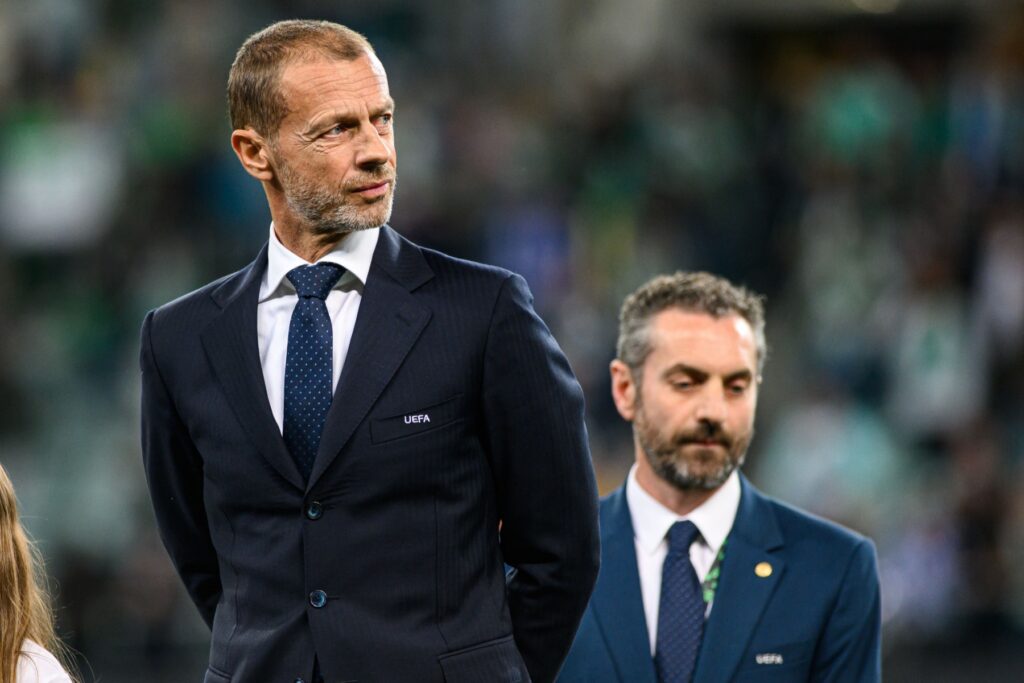
Former UEFA President and worldwide soccer superstar Michel Platini was today arrested for alleged corruption of the 2022 FIFA World Cup.

The World Cup, which controversially saw the hosting rights awarded to Qatar in 2010, has come under much scrutiny for this decision leading many to believe that something sinister was going on behind the scenes.

Now seems an unusual time for the story to rise from the ashes back into the limelight. But reports have emerged that there was a meeting between Platini, UEFA officials and Tamim bin Hamad al-Thani, Crown Prince of Qatar.

The meeting took place a mere ten days prior to the ballot which saw the Middle Eastern country win the hosting rights.

Something else to take into account, however, was that the meeting was used to oversee the Qatari overtake of French football powerhouse Paris Saint-Germain. The deal was made official only a few months later.

It’s more than possible that the meeting was purely to discuss the deal and nothing else. But the timing seems too much of a coincidence to not think about.

Some on social media seem to be of this belief.

It’s extremely plausible that discussions were held to see Qatar hold the World Cup, in a manner that would not necessarily be legal.

Perhaps it was part of the deal involving PSG. Qatar agrees to purchase the biggest club in France’s capital, in exchange for the hosting rights for the next World Cup.

It’s a win-win. Qatar win as they get to host the largest sporting event in the world and take over a very successful football club. Plus, with the amount of money they make, an investment like that wouldn’t have set them back too much.

France win as they get to see an already strong club become even stronger and they make enough money to retire on. All they need to do is pull a few strings and everything will be in motion.

Regardless of what actually took place in 2010 and whether Platini, Sepp Blatter and co. orchestrated all this, Platini’s arrest is another interesting factor in a story that has garnered so much interest and will continue to do so until the tournament begins.

Corruption. Promises. Broken promises. Human rights. This story has everything. But if one thing’s for certain, up until the first match in 2022, Qatar’s hosting of the World Cup will be questioned like no other tournament before it. Even more so than Russia in 2018.



Previous ArticleNext Article

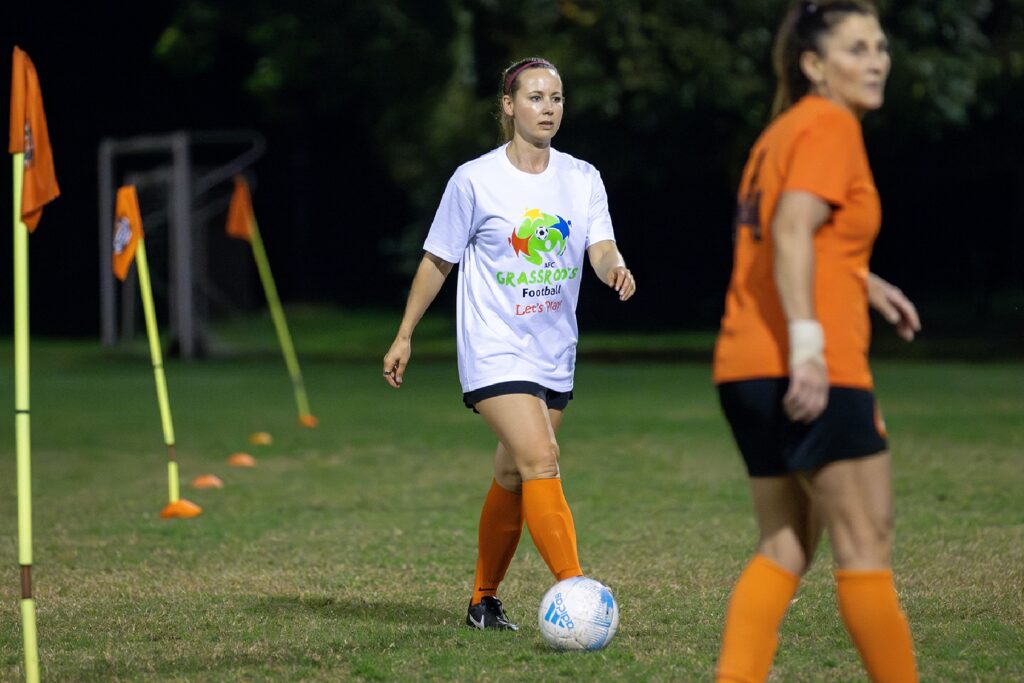
Community Spirit Shines on AFC Grassroots Football Day 2026

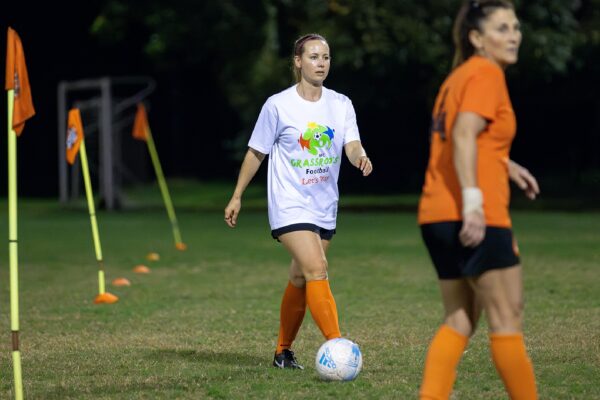
This week, Football Australia (FA) celebrated AFC Grassroots Football Day 2026, championing the people and communities who continue to hold up a safe, inclusive and supportive environment in the football landscape.

‘For all, for life’

In collaboration with Football NSW, Canterbury Football Association and community club, Balmain & District Football Club, the day reflected the very best of what football provides.

The event brought in participants of all ages – from 4-74 years-old – and reached a total of 400 people. Girls-only programs, all-abilities sessions and over-age football ensured all were catered for.

Such a diverse range of participants builds on a wider drive during FIFA World Football Week, which seeks to promote the sport not just as the dazzling lights of 100,000-seater stadiums, but as a way to foster community spirit and social development.

Furthermore, FA support through its Club Changer program was a welcome addition to the action, emphasising the organisation’s commitment to nurture a real love for the game across communities in Australia.

“Through Club Changer we support our clubs to provide a safe, fun and enjoyable environment where everyone is welcome; whether that be as a player, volunteer, referee or supporter,” explained National Program Manager Club Development at FA, Grace Lambourne.

“Everyone should feel they belong and are welcome to play, stay, and love the game.”


A welcome celebration

While the upcoming FIFA World Cup will no doubt inspire millions of future Socceroos and Matildas, events like the AFC Grassroots Football Day represent something beyond just inspiration.

It is a platform. An opportunity to express a love for football and to connect with others while doing so.

And connections between the professional and grassroots game is more important than ever if Australia is to nurture the next generation of talent.

This is particularly clear in the rise of women’s football across the nation. Since the FIFA Women’s World Cup, female participation rose by 32%, and registrations for the MiniTillies Program skyrocketed from 264 in 2023, to 1223 in 2024.

The professionals spark passion. But communities turn that passion into playing time.

That is why celebrating grassroots football – and the volunteers and families who sustain it – is a vital part of Australia’s football future. Together, FA and the AFC are creating strong foundations built on positivity, engagement, and inclusivity for all with a love for the beautiful game.

UEFA and Japanese FA commit to sustainability strategy until 2031

UEFA and the Japanese Football Association (JFA) agreed this week upon a new sustainability protocol agreement, aligning with both organisations’ long term goals.

An inter-continental partnership

Sustainability is an unavoidable, essential factor to consider as the beautiful game continues to grow across communities worldwide.

So when two governing bodies like UEFA and the JFA – who both already hold their own sustainability initiatives – agree to share, support and guide mutual growth, the implications are immensely promising.

“Sustainability in football must be clear, practical and action-oriented,” said UEFA President, Aleksander Čeferin, via official press release.

“It is about protecting the environment, but also about people – their health, education and communities – and about using football’s reach to create lasting impact beyond the pitch.”

Furthermore, JFA President, Tsuneyasu Miyamoto, also highlighted the undeniable potential born from football’s global powe to bring about genuine, positive changes to the wider population.

“In the global football community today, how we address social issues – such as climate change, human rights, discrimination and safeguarding – has become a crucial theme.”

“In JFA’s growth strategy for 2026 to 2031, we have positioned sustainability as one of our three ‘beams’. Under our social programme, Asu-pass!, we are advancing initiatives centred on five key areas: planet, people, well-being, education and community,” Miyamoto continued.


The responsibility of all

With 250 million players in association football, and total fanbases encompassing 4-5 billion people, football truly is the world’s game.

But despite the pride behind this affectionate nickname, there must also be an awareness of the game’s resulting impact.

Because if football touches the lives of 5 billion people, the policies and plans in place must focus on sustaining, supporting and growing everyone.

UEFA’s Sustainability Strategy 2030 seeks to drive positive change through focusing on the sport’s wider impact, long-term investment and objectives, and working as a collective unit.

JFA’s Asu-pass! also builds on the JFA philosophy of enriching societies through the widespread love of football. Thus, by partnering with UEFA and creating a platform for sharing expertise and values, communities across both regions are set for a promising future.

“Together, through football, we want to contribute to a better society and a brighter future,” stated Miyamoto, underlining exactly what this alliance between UEFA and JFA is all about.

Most Popular Topics

Editor Picks

Send this to a friend