




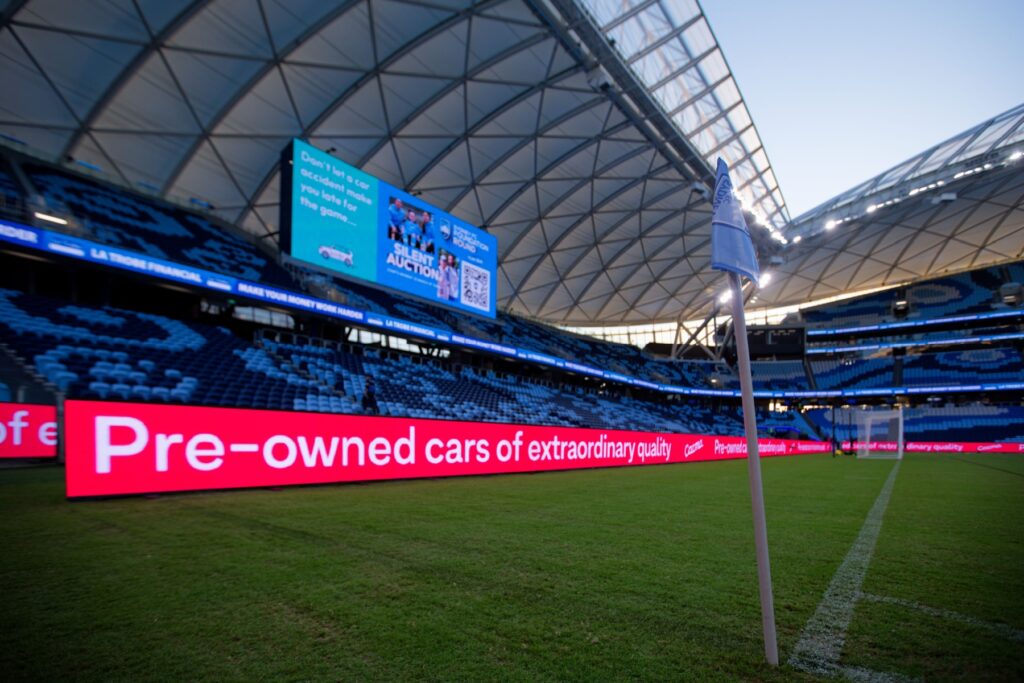
In the last 30 years of being involved in the football ecosystem, I have seen firsthand the incredible impact football has on communities across Australia. From weekend volunteers to local families, football thrives because of the people who dedicate their time energy and passion to the game. Yet I also see the rising pressures on clubs and families. Increasing registration fees facility costs and operational expenses threaten the very accessibility that makes our sport special.
That is why I firmly believe that meaningful sponsorship in football is no longer optional. It is essential. Not just for financial survival but to ensure clubs can invest in programs support players and keep football accessible for every child parent and volunteer in our community.
Why Meaningful Sponsorship in Football Is the Future of Club Funding
From my perspective leading Soccerscene, community football holds enormous commercial value but it is too often under-leveraged. In Victoria, alone, there are more than 350 registered football clubs representing tens of thousands of players families and engaged supporters. That collective scale rivals many professional sporting codes and represents a real opportunity to secure sustainable value-driven partnerships.
The challenge is shifting clubs and federations away from short-term transactional sponsorships and toward relationships that deliver long-term financial impact and community benefit.
Toyota and the Long-Term Meaningful Sponsorship Model
A perfect example of this approach is Toyota’s long-standing partnership with Heidelberg United. Since the National Premier Leagues Victoria launched in 2014, Toyota has been a major sponsor of Heidelberg United. This makes it one of the longest-running and most stable sponsorships in the competition.
This partnership is not just about logos on jerseys, it is about building community trust stability and shared values. It mirrors Toyota’s broader AFL involvement through programs like the Good for Footy Program which supports grassroots football clubs across Australia.
President and CEO of Toyota Australia, Matt Callachor said when renewing Toyota’s national football partnership said via Official Media Press Release.
“A vital part of the sponsorship is Toyota’s focus on community clubs with its Good for Footy Program. The extension of the sponsorship will only enhance the opportunities available for grassroots football clubs over the coming years.”
From my perspective this is exactly what meaningful sponsorship in football should look like. Long-term community-focused and designed to strengthen the game at every level.
How Energy Companies Are Powering Community Football
Automotive is not the only sector seeing the value of football communities. Energy companies are also stepping up. AGL’s partnership with St Kilda Football Club in the AFL demonstrates how sponsorship can go beyond brand visibility to deliver tangible benefits including sustainability initiatives and member incentives.
St Kilda CEO Carl Dilena commented via Club press release.
“Partnerships such as the one with AGL not only positively impact football programs but the community as well. Through the assistance of AGL we’re making our facilities more environmentally friendly playing our part in shoring up the future of our community.”
Group General Manager at AGL, Ryan Warburton added via press release.
“We will be engaging with St Kilda’s business community as well as offering energy deals for members and fans who choose AGL.”
At the recent Football Queensland Convention Football Queensland confirmed that it has applied a similar model leveraging commercial partnerships to directly reduce registration costs for players across the state. This demonstrates the real potential of meaningful sponsorship in football to lower costs while supporting communities.
Why Contra Deals Undermine Sustainable Football Sponsorship
From my experience in the industry, contra deals are often promoted as a “cost-effective” alternative, but in reality they rarely build the long-term stability clubs need. Clubs trade valuable exposure for goods or services rather than securing cash that can be reinvested into player programs facilities or coaching development.
An industry expert summarised it well:
“Contra deals might offer short-term relief but they don’t build reserves. Real sponsorship with cash activation and commitment gives clubs power to invest in growth talent and affordability.”
Low-value sponsorship can also push clubs toward riskier categories including wagering services, beverage sector or fast food which may conflict with the values of the football community. Meaningful sponsorship by contrast aligns commercial investment with community benefit helping clubs build long-term resilience.
The Future of Meaningful Sponsorship in Football
The future of football funding will not be built on short-term swaps or tokenistic exposure. It must be built on
- Scale through collective club and membership leverage
- Long-term commercial alignment not one-season deals
- Sponsors who invest in community outcomes not just logos
The Toyota-Heidelberg example demonstrates how trust and longevity can transform an NPL club’s commercial stability. The AGL-St Kilda model shows how member incentives and infrastructure investment can work at scale in AFL. Football Queensland shows how federations can leverage commercial success to lower player costs.
Together these examples form a clear roadmap for the future of meaningful sponsorship in football.
Conclusion
I firmly believe that football must embrace strategic long-term partnerships to ensure affordability, participation, growth and sustainability. Meaningful sponsorship is not about who can supply the most banners. It is about who can help keep a child registered to a club and connected to a community.
The models already exist. It is now up to clubs, federations and commercial partners to adopt them collectively commercially and boldly.