




How La Liga is successfully approaching digital transformation

Digital transformation is a key part of the future of football.

Spain’s La Liga competition continues to be at the forefront in this area, with administrators guiding clubs to embrace new digital tools to communicate with fans, streamline services and acquire new data.

La Liga recently shared its technological expertise with Spain’s Chamber of Commerce, to produce a paper for the country’s small to medium-sized businesses.

In the paper, businesses are provided with an explanation of the underlying principles of digital transformation and are encouraged to adopt various technologies in their operations.

The resource will also be further useful for La Liga clubs themselves, to expand on the growing culture of digital transformation in their processes.

Since 2013, La Liga has identified technology as a pillar of future growth, assisting clubs with various digital transformation projects.

The ultimate aim for the organisation is to ensure all 42 clubs (in the first and second tier) move towards the same direction.

Minerva Santana, La Liga’s director of innovation, strategy and technological transformation, explained in the La Liga Newsletter: “The first step is to generate awareness at all levels, but especially at the level of leaders and decision makers, the relevance of digital transformation as a lever for competitiveness and value generation.

“From there, it’s useful to have a self-evaluation process to work out which point in the digital transformation process a business is at,” she added.

“This creates a baseline from which you can establish objectives and a strategy. Once the objectives and priorities are established, it’s important to build a plan and to seek support internally and from external partners.”

Recent examples that have been successful and referential in world sport include, RCD Mallorca adopting technology that is wearable and remotely monitors player’s workouts; Osasuna introducing intelligent shinpads into their club academies; Real Sociedad developing smart scarves and shirts, using wearable NFC tags; Celta de Vigo installing remote video technology at their training complex and Valencia CF creating a seat delivery service which allows fans to order food and drink from their seats at the stadium.

In Spain’s second tier, La Liga Smartbank, clubs are increasingly ambitious when it comes to technological growth. Clubs in that division have grown their online presence by 23 percent since July of last year, which is a growth rate far higher than any other second tier in Europe’s top leagues.

UD Almeria, CF Fuenlabrada and Cádiz CF have recorded growth of over 85 percent, year-on-year.

“This shows that an increased focus on digital helps clubs to reach a wider fanbase,” Santana added.

“In the last year, La Liga clubs have recorded some of the highest growth rates in Europe when it comes to digital adoption, particularly within digital communications.

“Our focus is to continue building on what has been achieved and to continue working with clubs of all sizes to embrace new digital tools that will help evolve their business and support the growth of the entire competition.”

La Liga has formed alliances with technology giants such as Microsoft, building dedicated teams of technology experts in innovation, as well as data analytics.

These teams have continued to stimulate growth opportunities for clubs, through the sharing of resources and expertise.

“At La Liga, we’ve created a portfolio of digital services and integration programmes that allow us to respond to the concrete needs of each club,” Santana claimed.

“We’ve built an ecosystem in the areas of innovation, digital and data that we’ve made available to clubs to help them with their business objectives.”

Examples of this include platforms that are shared with clubs to help them build apps and websites, the use of the Sandbox tool for analysis of match data in the cloud and much more.

“The new technologies that come from digital transformation provide the flexibility to adapt to constantly evolving behaviours and consumption habits, so the appearance of new products and services, as well as the appearance of new models, will be more frequent,” she said.

“This will make the competitive environment more complex but richer.

“At La Liga we have always conveyed the importance of digital transformation to clubs and its impact on competitiveness. The success we are seeing is creating a drive for new innovation across the competition and this is something we will continue to support,” Santana concluded.

For more information on the local scene, read our piece on why digital transformation is vital for Australian football here.
Previous ArticleNext Article

Community Spirit Shines on AFC Grassroots Football Day 2026

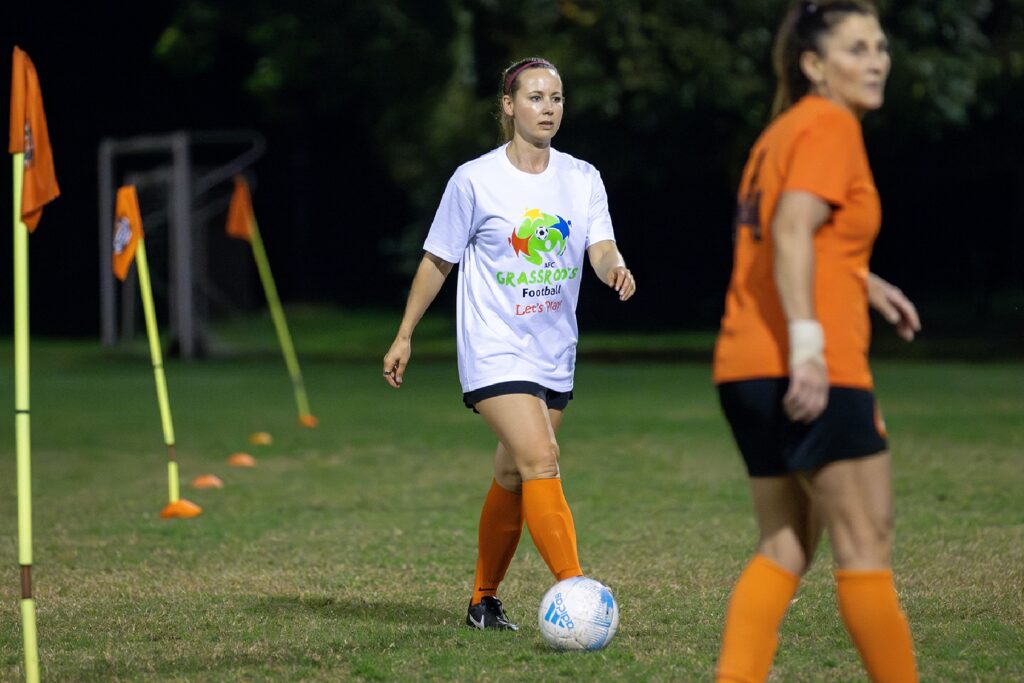
This week, Football Australia (FA) celebrated AFC Grassroots Football Day 2026, championing the people and communities who continue to hold up a safe, inclusive and supportive environment in the football landscape.

‘For all, for life’

In collaboration with Football NSW, Canterbury Football Association and community club, Balmain & District Football Club, the day reflected the very best of what football provides.

The event brought in participants of all ages – from 4-74 years-old – and reached a total of 400 people. Girls-only programs, all-abilities sessions and over-age football ensured all were catered for.

Such a diverse range of participants builds on a wider drive during FIFA World Football Week, which seeks to promote the sport not just as the dazzling lights of 100,000-seater stadiums, but as a way to foster community spirit and social development.

Furthermore, FA support through its Club Changer program was a welcome addition to the action, emphasising the organisation’s commitment to nurture a real love for the game across communities in Australia.

“Through Club Changer we support our clubs to provide a safe, fun and enjoyable environment where everyone is welcome; whether that be as a player, volunteer, referee or supporter,” explained National Program Manager Club Development at FA, Grace Lambourne.

“Everyone should feel they belong and are welcome to play, stay, and love the game.”


A welcome celebration

While the upcoming FIFA World Cup will no doubt inspire millions of future Socceroos and Matildas, events like the AFC Grassroots Football Day represent something beyond just inspiration.

It is a platform. An opportunity to express a love for football and to connect with others while doing so.

And connections between the professional and grassroots game is more important than ever if Australia is to nurture the next generation of talent.

This is particularly clear in the rise of women’s football across the nation. Since the FIFA Women’s World Cup, female participation rose by 32%, and registrations for the MiniTillies Program skyrocketed from 264 in 2023, to 1223 in 2024.

The professionals spark passion. But communities turn that passion into playing time.

That is why celebrating grassroots football – and the volunteers and families who sustain it – is a vital part of Australia’s football future. Together, FA and the AFC are creating strong foundations built on positivity, engagement, and inclusivity for all with a love for the beautiful game.

Geelong Regional Football Hub vision one step closer to reality

A process five years in the making, the Geelong Regional Football Hub (GRFH) will now build its home at Sutcliffe Reserve in Corio.

A major advancement

The project promises to be a major boost for the football community in Victoria’s west.

But the approval isn’t just about addressing the current issues facing players in and around Geelong (with just one football pitch found per 6,971 people), it symbolises an all-important promise to players, coaches and supporters:

A promise to invest, support and grow.

So now, following an extensive process of potential site assessments and council approvals, Football Victoria (FV) will prepare to lay the physical foundations at Sutcliffe Reserve in Corio – ten minutes away from Geelong CBD.

“This is a brilliant result for the sport in Victoria and the start of something truly exciting for football in Geelong and the surrounding area,” said FV CEO, Dan Birrell, via press release.

But despite the obvious anticipation over site approval, there remains one more bridge to cross to bring this project from blueprint to building block: securing funding.


What is the GRFH?

Beyond a mere community football centre, the GRFH will become a world-class hub for playing opportunities, development pathways and venue for several of FV’s most popular competitions.

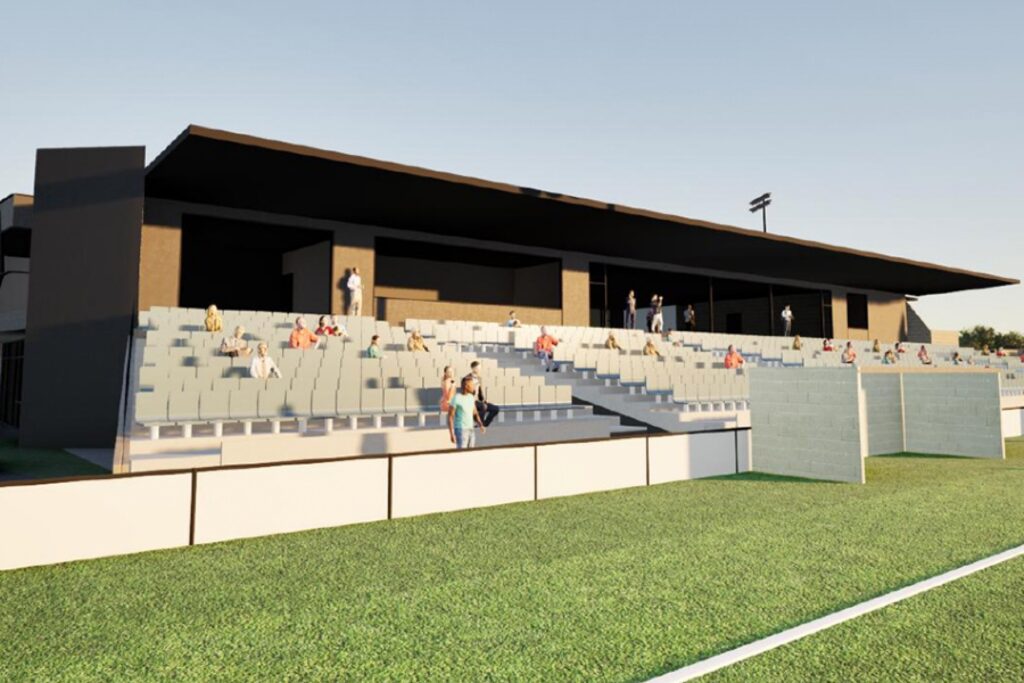
The proposed site will include five pitches, of which two will boast seated stands, as well as two pavilions, social spaces, kitchen and bar areas, media spaces, and facilities for players and match officials.

Such extensive, thorough infrastructure will therefore ensure the site can host an array of competitions for players across the landscape to showcase their talent. From supporting everything from school competitions to NPL VIC Men’s and Women’s games, the GRFH will be a place for player growth, opportunity and community engagement with the beautiful game.

And as Geelong Mayor, Stretch Kontelj, highlighted, the current demand requires investment of this nature as soon as possible.

“With more than 7,370 registered players across the Geelong region, the scale of demand is undeniable. A regional football hub would be genuinely transformational,” Kontelj said via press release.

“It would drive participation across all genders, abilities and levels of the game, strengthen education and development pathways, attract major events and tournaments and deliver lasting social and economic benefits for Geelong and the broader region.

The demand is there. The support is unwavering.

All that remains is the financial backing to bring about real, tangible results for those driving this vision forward.

Most Popular Topics

Editor Picks

Send this to a friend