


ElClasico: La Liga’s world-class event

The crowd roars as the ball comes to Lionel Messi, he takes a shot at goal, but it’s blocked by a defender. Soon after Gareth Bale hits the back of the net, but the score is overturned by VAR. By the time the final whistle blows neither team has been able to score and 93,246 passionate football fans walk away without a winner being decided. The last time fierce rivals Barcelona and Real Madrid faced off at Camp Nou was in 2019 – however this weekend’s ElClasico will take on a very different look.

While there will be no fans at the first ElClasico since the COVID-19 pandemic, La Liga is still striving to provide the best entertainment experience possible for its fans.

The first La Liga ElClasico was played in 1928 and the match between Barcelona and Real Madrid has grown to become one the of biggest rivalries in world sport.

The game itself features some of the best players in the world including Lionel Messi, Sergio Ramos, Gerad Pique, Karim Benzema, Luka Modric and Antoine Griezmann.

Then there is the work being done off the field by La Liga to promote the match internationally and provide the best coverage possible.

Red carpets bearing the competing clubs’ logos and an ElClasico logo have been placed at landmarks all over the globe. In Australia, a red carpet has been placed in the vicinity of the Sydney Opera House.

The other red carpets are located in the United States, United Kingdom, India, Senegal, Colombia and Tajikistan.

More than 100 ElClasico events have also been organised across the world. This includes watch parties in Vietnam, Dubai, South Africa, Nigeria and Kenya while a number of drive-in cinemas will be showing the match in Mexico, Colombia, Ecuador and Argentina.

Digital events have been planned for counties where COVID-19 restrictions are in place.

La Liga said that ElClasico provides entertainment like no other event.

“Though governmental health restrictions mean fans won’t be in the Camp Nou stands for this first ever ElClasico behind closed doors, LaLiga has ensured that fans around the world will still be able to come together for the greatest show in club football,” La Liga said in a media release.

“Everything is in place for the return of ElClasico, the best footballers in the world and the best fan experience possible.”

ElClasico is the most-watched club game in football with the upcoming match expected to reach around 650 million fans worldwide.

La Liga ambassador and former Real Madrid captain Fernando Hierro spoke of the game’s worldwide appeal at the La Liga Ambassadors Gala on Tuesday.

“Earlier, the Real Madrid-Barcelona matches had more domestic and national interest. But it started growing and became more international. It now attracts global interest, and it will be widely viewed,” Hierro said.

A series of technological innovations for the broadcast of this year’s La Liga ensure that the coverage of the match is of the highest standard. The innovations include 360 degree replay technology, a virtualised visual crowd, crowd noise and the use of drones to provide new camera angles.

The league had already been working on implementing some of these technologies but expanded to include the virtual crowd and crowd noise due to the COVID-19 pandemic.

La Liga’s head of audio-visual programming and production Roger Brosel said that the league wanted to offer the best audio-visual show for its fans.

“We have been working for four years now, trying to be innovative and having the aerial cameras and all the 360 replay technology, this year is just another step forward,” he said.

“We wanted to introduce these technological innovations related to virtual … to allow the fans to concentrate on the match and the way that things were being played without the negative impact caused by an empty stadium.”

“From our department what we are trying to do is be more attractive for people all around the world.”

For the 2020/21 La Liga season the new graphics and stats are powered by artificial intelligence and augmented reality.

La Liga uses its Media Coach platform to integrate data into the broadcast. The platform was originally only used by technical staff and coaches but is now also used to show tracking, performance, and match data during the broadcast.

The AR graphics and statistics appear on the ground during the broadcast to add to the match experience.

Roger Brosels also said that there had to be a balance between using data and graphics and letting viewers enjoy the match.

“Data is very interesting, and it contributes something but too much live data can distract viewers, or it can mean that the match experience isn’t as good.”

“The producing team are very sensitive to this issue, they introduce the data when it contributes something, adds something extra to the match storytelling.”

La Liga is also extending the ElClasico experience to the internet and social media. The league’s social media channels will be posting content in the build up to kick-off. An online fan zone will also be launched where fans will be able to win replica shirts, while La Liga’s website will also have an ElClasico section.

The teams are evenly matched heading into this weekend’s game, Real Madrid has 73 ElClasico wins while Barcelona trails on 72 wins – there have also been 35 draws.

ElClasico is being broadcast live in Australia on beIN Sports, the match is scheduled to be played this Sunday at 1am (AEDT).
Previous ArticleNext Article

NSW Football Associations Unite Behind AED Mapping Project for Statewide Safety Network

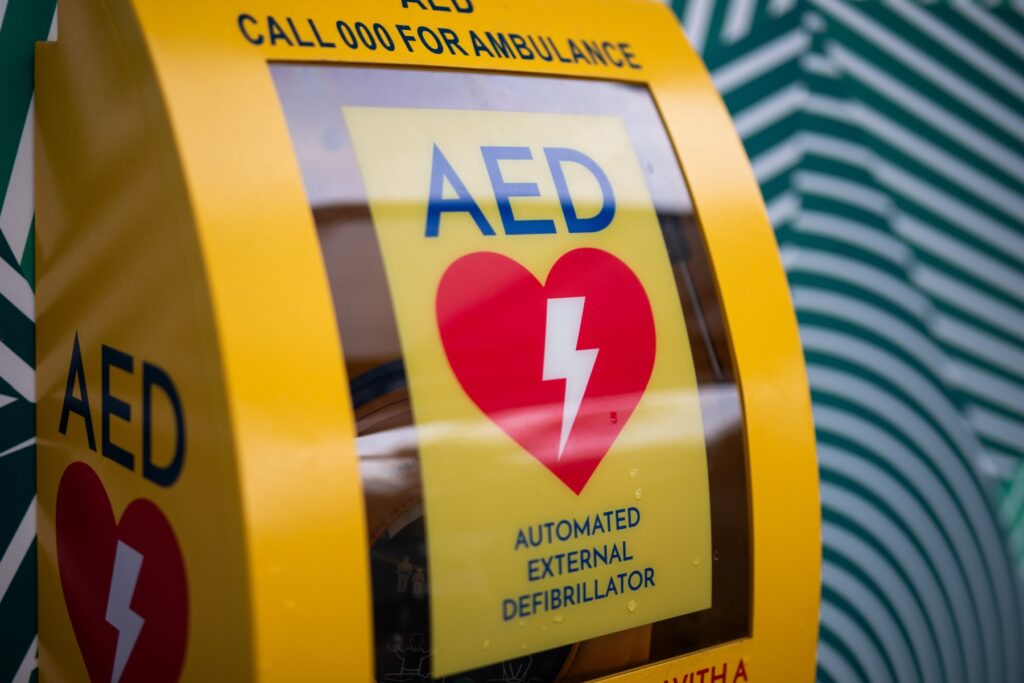
Twelve football associations across New South Wales have joined a statewide effort to map and register Automated External Defibrillators across sporting facilities, in a project that its organisers say will significantly improve emergency response times and save lives at community sport venues.

The Heartbeat of Sport AED Mapping Project, backed by funding from the Minns Labor Government to the Heartbeat of Football Foundation, represents the first comprehensive research into AED placement across NSW sports grounds. The data collected will be provided to NSW Ambulance and its GoodSAM team to enrich the existing AED registry available to ambulance and public first responders, and will feed into NSW Health’s newly released public AED map.

The project has drawn active participation from associations spanning the breadth of the state’s football community, including Eastern Suburbs, Manly Warringah, Granville, Southern Districts, Nepean, Northern Suburbs, Football Canterbury, Bankstown, Hills, Sutherland Shire, North West Sydney Football and Football South Coast.

When seconds matter

The urgency behind the project is not theoretical. At Doyalson Wyee Football Club, a 70-year-old player survived a sudden on-field cardiac arrest because an AED was available on site. The outcome of that incident – and the many others like it that occur across community sport each year – depends entirely on whether a defibrillator is accessible, charged and registered in the systems that emergency responders rely upon.

Sudden cardiac arrest kills without warning. The survival rate drops by approximately ten percent for every minute without defibrillation. In a community sport setting, where professional medical staff are rarely present, a registered and accessible AED is the difference between a player walking off a pitch and one who does not.

The mapping project addresses a gap that has existed largely unexamined. More than 2,400 defibrillators have been deployed across NSW sports and recreation facilities through the Local Sport Defibrillator Grant Program, with grants of up to $3,000 available to eligible organisations. But a device that exists without being registered in emergency response systems provides significantly less value than one that is accurately mapped and immediately locatable by ambulance crews responding to a call.

By encouraging clubs to complete AED registration surveys, the twelve participating associations are ensuring that the equipment already on their grounds is activated within the broader emergency infrastructure – translating a physical asset into a functional one.

Regional communities and the equity of safety

The project’s expansion of the #HeartHealthMatters Program, which brings CPR and AED familiarisation training to sporting organisations with a particular focus on regional areas, addresses a dimension of safety preparedness that often receives less attention than equipment access alone.

Knowing a defibrillator exists on site is insufficient if the people present during an emergency do not know how to use it. Regional clubs, which frequently operate with smaller volunteer bases and less access to formal training programs, face a compounded risk – less equipment, less training, and longer ambulance response times due to geography. The program’s regional focus acknowledges that safety infrastructure, like sporting infrastructure more broadly, is not evenly distributed.

The data gathered through the mapping project will also guide future investment decisions, identifying facilities that still lack AEDs and providing the evidence base for targeted grant funding to address those gaps.

Football associations that have already contributed AED data have demonstrated, in the words of the project’s organisers, strong sector leadership and a shared commitment to safeguarding participants at every level of the game.

For a sport that involves hundreds of thousands of players, officials and volunteers across the state each week, the ambition of the Heartbeat of Sport project is straightforward – that no preventable death occurs on a football ground because the right equipment was not there, or could not be found.

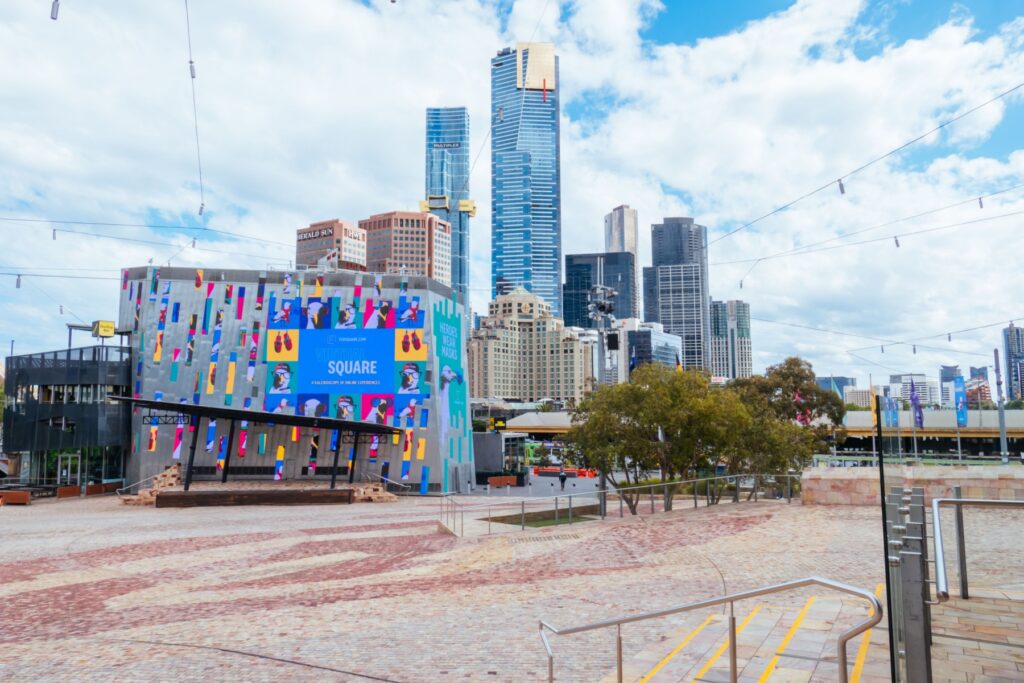
Decision overturned: FIFA World Cup 2026 to return to Federation Square

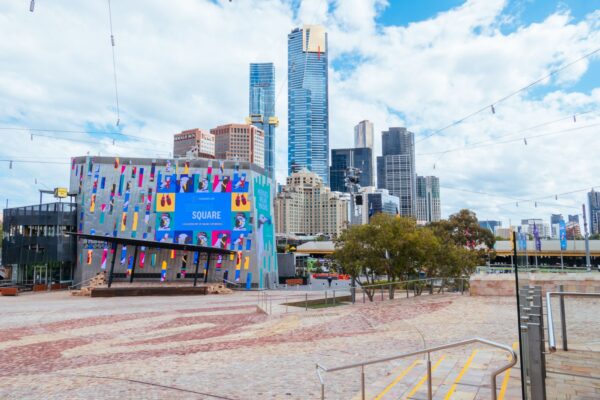
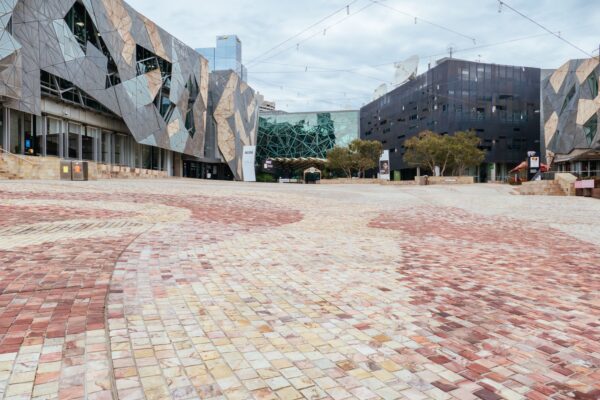
Following the announcement earlier this week that Federation Square would not return as a live site for this summer’s FIFA World Cup, Football Victoria announced yesterday that the decision has now been overturned.

Widespread support prevails

The football industry moves swiftly. Whether it’s a deadline-day transfer or cut-throat managerial changes, a lot can happen in a short time span.

And this proved true once again in Melbourne this week.

On Wednesday, Melbourne Arts Precinct announced that it will not proceed as a live site during this year’s tournament.

But following widespread backlash to the decision to not use Federation Square as a live site, the initial verdict will no longer go ahead.

“In the past 24 hours, Victorians demonstrated just how important our national teams are to the fabric of our community,” said Football Victoria CEO, Dan Birrell, via press release.

Furthermore, Birrell highlighted that support for a swift overturn also came from those outside the football landscape.

“The response extended far beyond football participants and supporters, reflecting the wider community’s recognition of the signficance of the tournament and the role these moments play in bringing people together.”


Community comes first

Having Federation Square as a live site during this year’s World Cup ensures that Melburnians wanting to back the Socceroos, can do so as one unit.

But even those who won’t be cheering for Australia, and will instead be adorning another nation’s colours, will still be able to unite and show their pride.

This is what live football is all about.

A variety of communities and nationalities which – despite supporting opposing sides – can come together under a shared love of the game. As Birrell continued to explain, this is a fundamental part of why the decision to overturn bares such importance.

“Football is a game that transcends age, background, language and culture.”

“It brings people together from all walks of life and creates moments of connection that are incredibly powerful, particularly uring global tournaments like the FIFA World Cup.”

The Socceroos will kick off their World Cup campaign against Turkey on June 14.


Most Popular Topics

Editor Picks

Send this to a friend