


In what is often described as a saturated Australian sporting market, where sponsorship dollars are limited and infrastructure development and growth difficult to achieve, Rydalmere Lions FC is setting the standard in New South Wales.
The inner-west club was founded in 1979 as the St. Joseph’s Zgharta Soccer Club and subsequently joined forces with the Fairfield City Lions in 2014; the same year the newly merged club was crowned champions of New South Wales’ State League Division 2.
Rydalmere juniors compete in the Granville District Soccer Football Association and the club was placed at NPL3 level for its first year of play in the newly formed second tier of Australian football in 2016.
The beating heart of the club lies in the migrant Lebanese families who first envisioned a safe and community based club for their children. Those founders saw an organised sporting club as an extension of the family unit and an ongoing connection to community as the most vital pre-cursor to any success that may come their way.
As is common to most football clubs around the country, the challenge of acquiring sponsors and raising revenue to improve facilities and meet the day to day running costs was considerable.
In 2016, as the Lions become a serious championship contender in NPL3, the club had 400 playing members and 650 non-playing members. It had seen only marginal growth from recent seasons and sponsorship remained steady yet meagre.
With the hope of expanding the reach of the club to allow all its members to spend more time involved in the game as a supportive collective base, an advisory committee was established. That committee brought together the best football, business, legal and financial minds from within the Rydalmere FC community and set about strategizing a path forward that would grow the club in terms of both participation and community engagement.
The committee allowed Rydalmere to more professionally and effectively make submissions to prospective partners in the local community. When City of Parramatta Council sought expressions of interest for new tenants to occupy the Rydalmere Central Bowling Club, the club was proactive and aggressive in its negotiations.

The vacant venue sat just a stones throw from the Lions home track at Rydalmere Park and seemed a perfect fit. In the very near future and after three years of planning, the club will re-open the doors of its new home; now rebranded as ‘The F.C’. It will become the Rydalmere Lions’ community base, a place to where football extends beyond the pitch and becomes a hub for not only club members but also the wider Parramatta community.
Most importantly, ‘The F.C’ will now allow the club to more easily meet those objectives set out by the clubs’ founders over 40 years ago, with the vision of shared experience and community lying at the core of any future decisions made at the club.
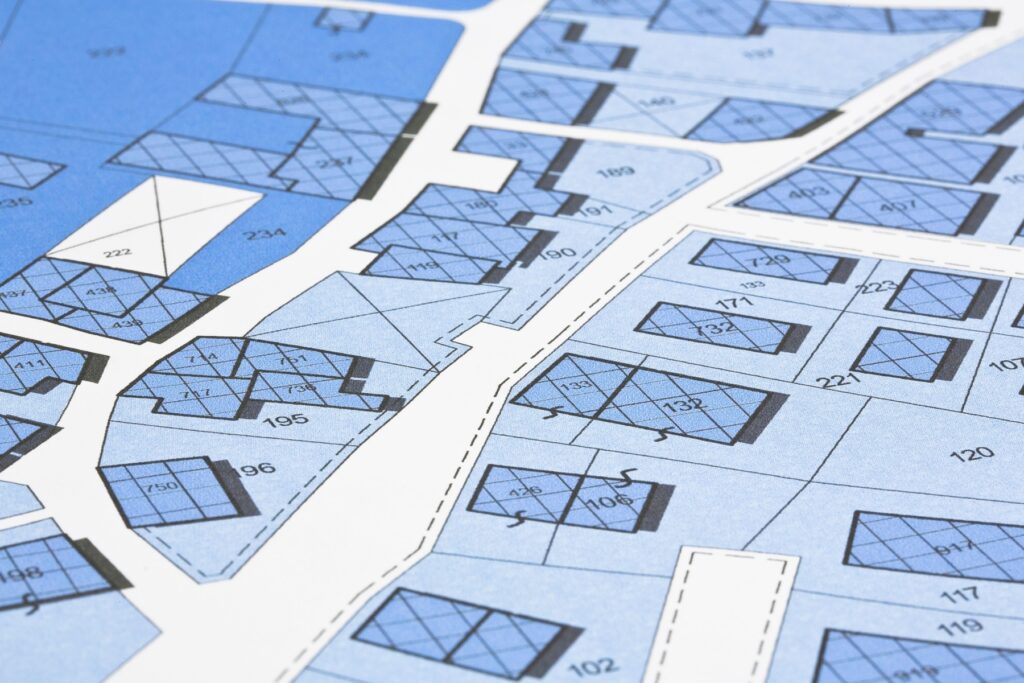
Further submissions to the City of Parramatta Council led to upgrades of the playing facilities at Rydalmere Park and the New South Wales government provided a grant for an upgrade of the wider precinct.
The entire facelift is valued at somewhere near A$5 million and provides not only a Football NSW compliant artificial turf pitch for the Lions to use during NPL play, but also an array of other smaller sporting facilities, increased vegetation, walking paths and a children’s playground.
The excitement around the development and the club’s pro-active approach to growth has seen a dramatic increase in membership. There are now 525 registered players and over 850 non-playing members; all eager to become part of history when the make-over is complete and the club begins to operate on a daily basis from its new home.
Sponsorship commitments have doubled within 12 months, membership has increased by an impressive 31 per cent and performances on the pitch in season 2020 hold much promise.

The club’s First Grade Head Coach is Gavin Rae, the former Dundee, Glasgow Rangers and Cardiff City midfielder who previously held the top job at Hakoah Sydney City East. It was a typically bold move by the club to enquire of Rae’s services, with a position at NPL1 level his most likely destination.
However, along with Simon Doueihi (Head of Football) and Anthony Harb (Club Technical Director), Rae completes an impressive team that hopes to return the club to NPL2 competition as quickly as possible, after suffering relegation in 2019.
In spite of that disappointment, the commercial success story of Rydalmere Lions FC provides a potential model for many clubs around Australia. Those battling to survive financially, let alone even dream of considerable growth, could do worse than use the simple philosophy of creating a community based hub, one that extends far beyond the play that occurs on a football pitch.
Players, supporters and sponsors have been drawn to that philosophy. When executed professionally and intelligently, such an idea has proven once again to lie at the heart of football in Australia. Don’t be surprised if Rydalmere FC quickly becomes a powerhouse in NPL and junior play. It will be nothing but the residue of a clear vision and some very hard work.