
Football Australia appoint Heather Garriock as Interim CEO

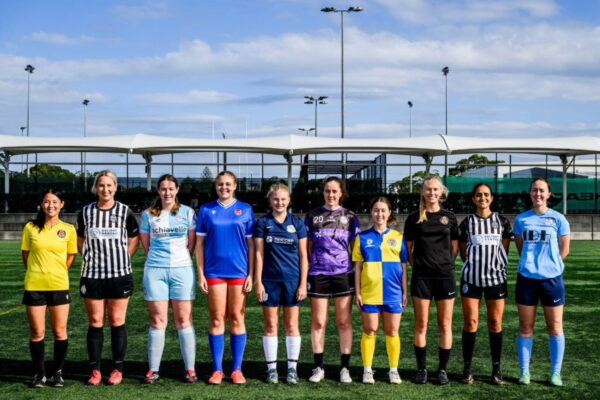
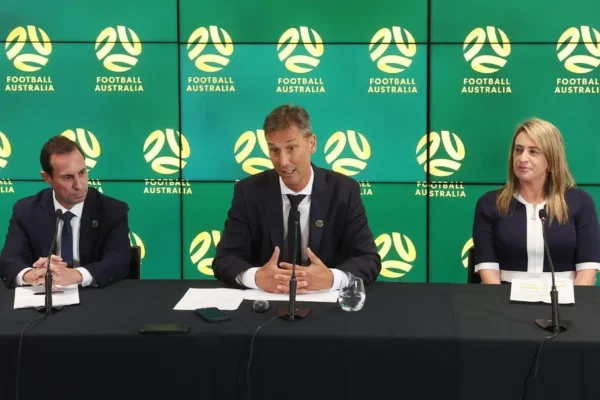
Football Australia has announced the appointment of Heather Garriock as Interim Chief Executive Officer, following James Johnson’s resignation.

This appointment is a landmark moment for Football Australia, with Ms Garriock becoming the first woman ever to lead the organisation.

As the most popular sport in both Australia and the world, this marks a significant turning point in the history of Australian sport.

A former Matilda, Olympian, and accomplished sports administrator, Ms Garriock brings a wealth of experience to the role.

She has previously led Australian Taekwondo as CEO, has been a member of the Football Australia Board since 2021, and currently sits on the Asian Football Confederation’s Technical Committee.

Ms Garriock also had an exceptional playing career. She represented the Matildas in three FIFA Women’s World Cups, three AFC Women’s Asian Cups, and two Olympic Games.

In recognition of her remarkable contribution to the sport, she was inducted into the Football Australia Hall of Fame in 2021.

As part of standard governance procedures, Ms Garriock officially stepped down from her position on the Football Australia Board yesterday.

Ms Garriock expressed her honour in taking on the role, highlighting her commitment to inclusive leadership, key strategic goals, and drawing on her lifelong experience in football to guide the game’s future at the highest level.

“I’m honoured to step into this role at such a pivotal time for football in Australia,” Garriock said in a press release.

“My focus will be on strong, collaborative and inclusive leadership as we work to deliver on key priorities — from Socceroos World Cup qualification and the appointment of a new Matildas coach, to the delivery of major tournaments and the continued development of our digital platform, PlayFootball.

“I have spent a lifetime in football and have literally played every position in football both on and off their field.

“This experience provides me with the unique ability to bring all perspectives of our game to the highest levels of decision making and build on the great work of James Johnson.”

She will now take on the role of Interim CEO while the Board undertakes both a local and international search for a permanent Chief Executive Officer.
Previous ArticleNext Article

Two NPL VIC clubs receive funding boost from State Budget

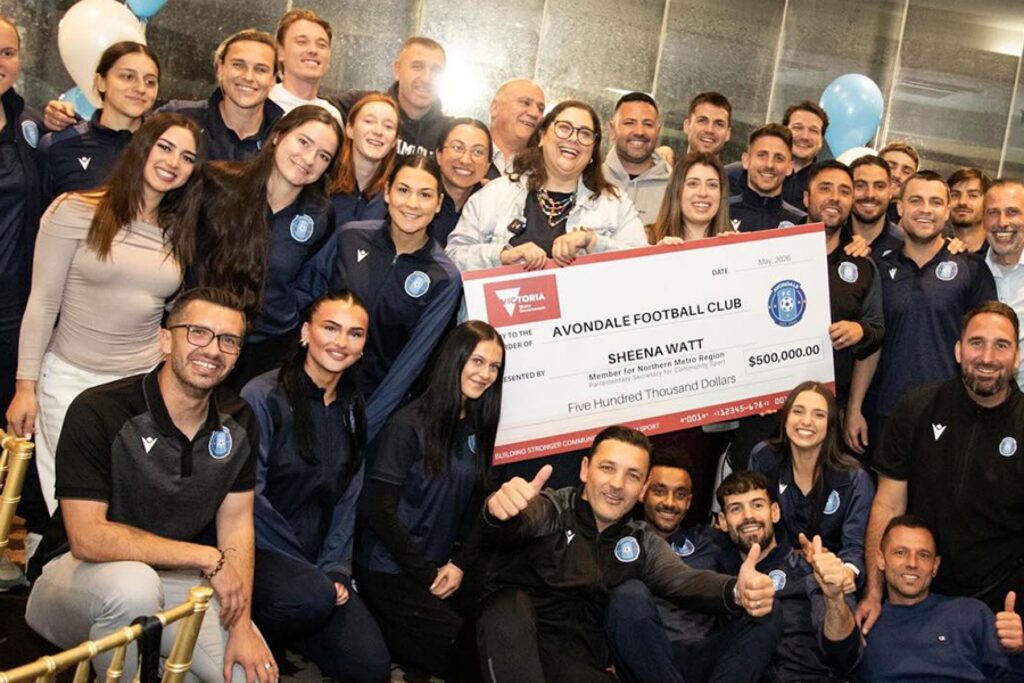
Following the announcement of the 2026 Victoria State Budget, Avondale FC and Hume City FC will both receive major backing for facility upgrades.


Valuable support for future projects

Avondale and Hume City now have immensely valuable financial support for infrastructure and facility upgrade projects.

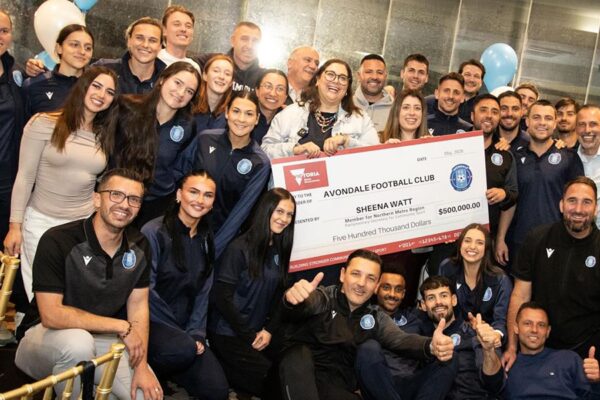
Avondale will see an injection of $500,000 for lighting developments at its home ground, Avenger Park. Meanwhile, Hume City FC, will receive $250,000 to further improve its home ground, Nasiol Stadium, which opened in 2009.

Both clubs expressed their delight at the funding from the State Labor Government, and what the backing may bring to club facilities and overall development going forward.

“We are incredibly grateful to the Victorian Government and Sheena Watt for their support through this $500,000 lighting upgrade investment, which will have a lasting impact on our players, families and the wider Avondale community,” said Avondale Club President, Stephen Strano.

“We have hundreds of players across all age groups utilising these facilities each week, and these improvements will help create an even strong environment for excellence, participation, and community engagement,” outlined Hume City President, Ersan Gülüm.

As a result of these respective investments, both NPL VIC outfits appear set for incredibly opportunities to modernise, develop and strengthen their club infrastructure.


Lighting the path to a brighter future

The investments will see features such as lighting upgrades improve facility access for men’s and women’s teams, and LED scoreboards become part of a more modern matchday experiences going forward.

For both clubs, however, lighting upgrades are about more than keeping a pitch open late at night. Improved lighting is a means to a more accessible and supportive future in which both the men’s and women’s teams can utliise local facilities, and matchdays can take place in the excitement of playing ‘under the lights’.

And as Football Victoria CEO, Dan Birrell, highlighted, the improvements made to club facilities are benchmarks for the wider Victorian football community.

“Both Avondale and Hume City are pillars in the Victorian football landscape,” Birrell stated via press release.

“Professional level facilities like Avenger Park and Nasiol Stadium are critical for the development of Victorian football and Football Victoria welcomes the news that they will continue to improve thanks to the support of the Victorian State Government.”


More must follow

While the investments from the State Government come as welcome updates for these two clubs, there is still plenty more to be done to evenly develop facilities and infrastructure across Victoria’s football landscape.

Indeed, Avondale FC and Hume City FC are two fantastic community clubs who will no doubt put the funding towards impactful improvements.

But there are plenty more who still need external backing to build infrastructure not just for now, but for future seasons to come.

Football Community Supports Ange Goutzioulis Following MND Diagnosis

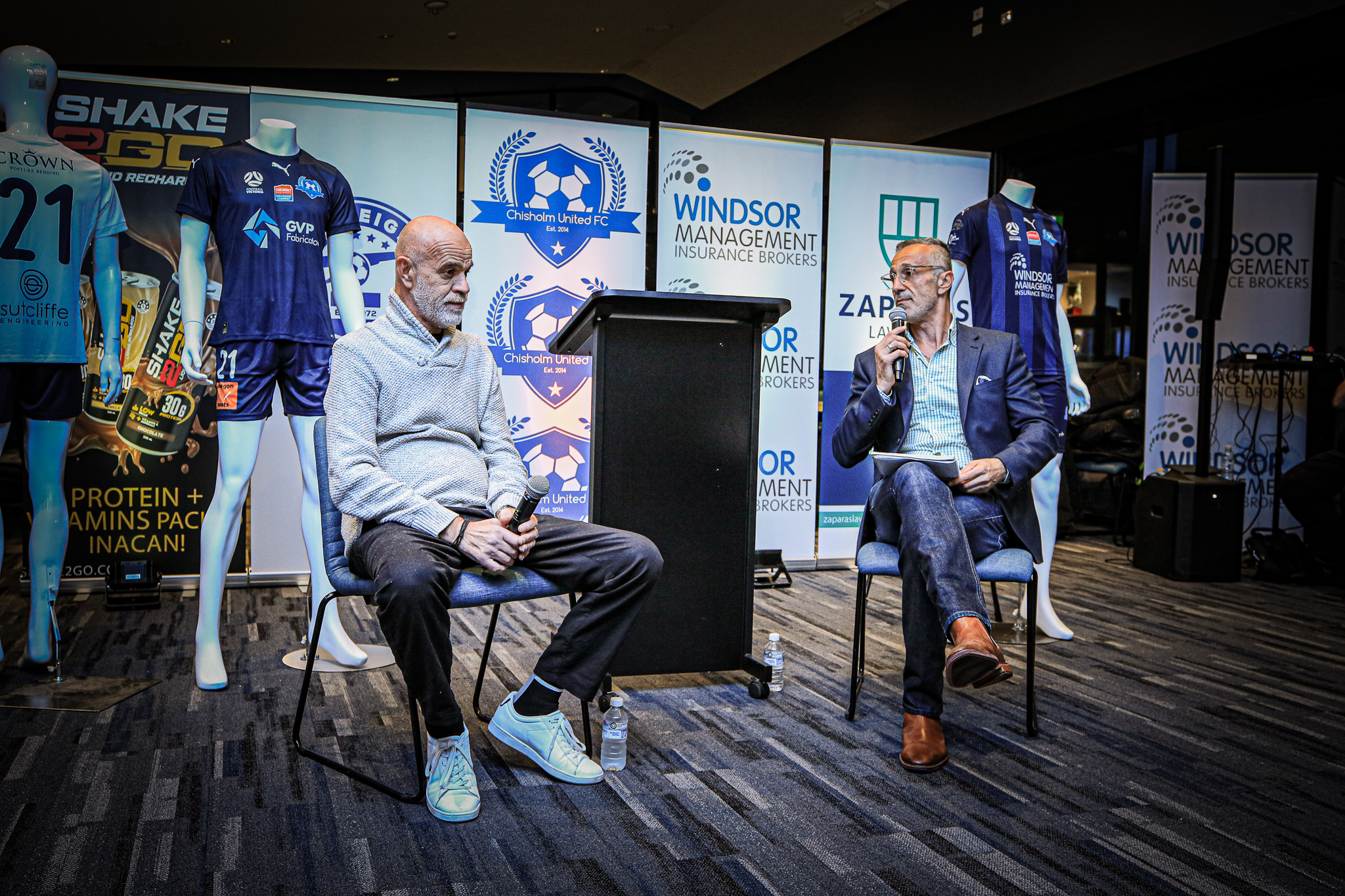
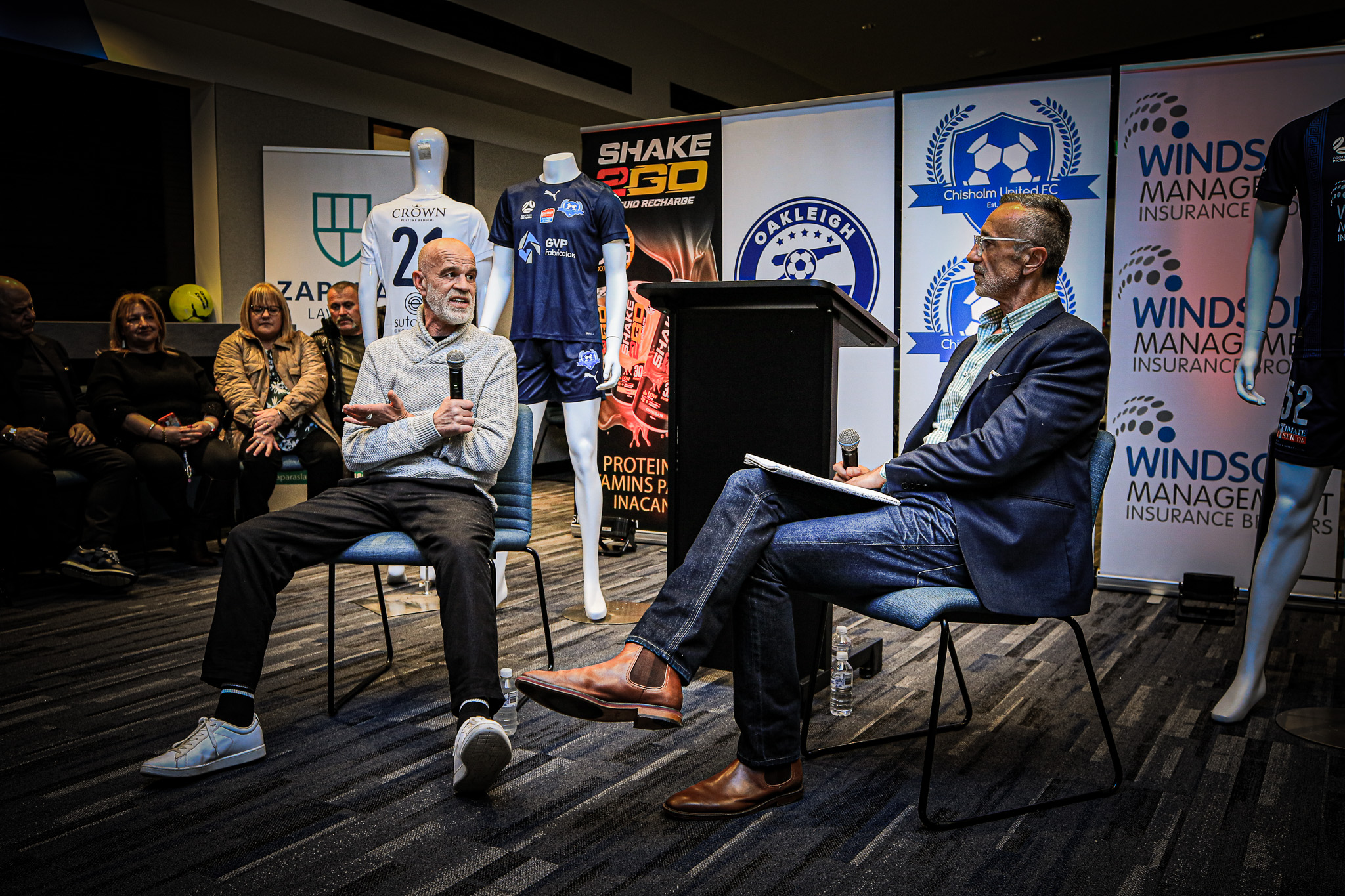
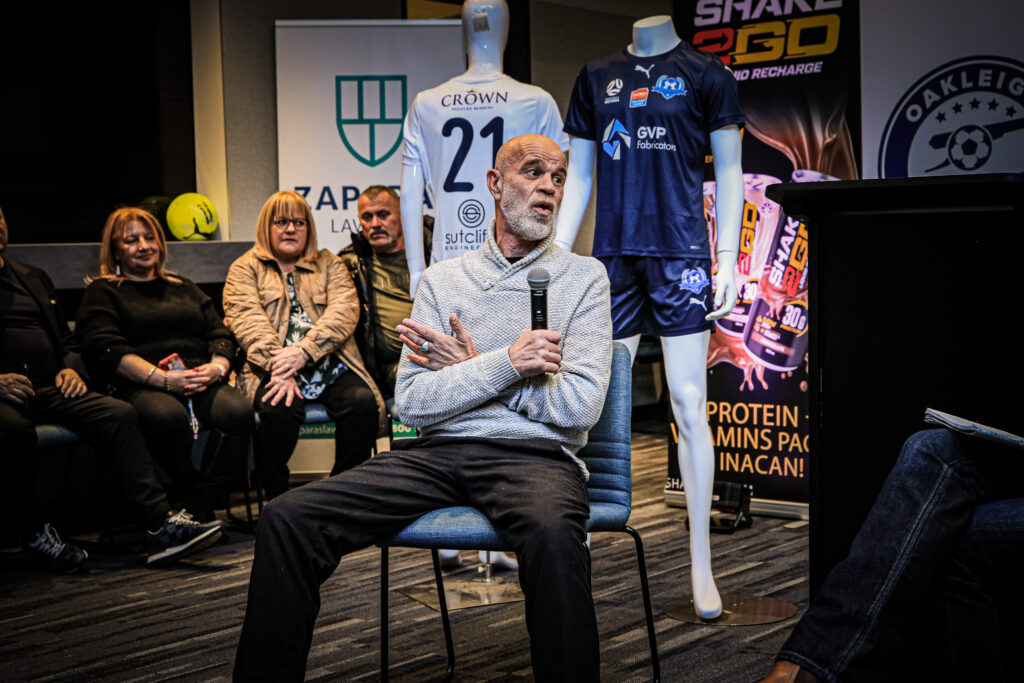
At just 52 years old, former National Soccer League player Ange Goutzioulis stood in front of a packed room at the Chisholm United launch night in Oakleigh and spoke about something no one ever expects to hear: a diagnosis of Motor Neuron Disease.

But rather than retreat into silence, Goutzioulis chose to speak openly. He spoke not just about the disease itself, but about the reality of living with it, the uncertainty ahead and why awareness matters more than ever.


Early stages

For years, football was part of Goutzioulis’ identity. Coaching, movement and routine were all things that once felt natural. Then slowly, something changed.

“I couldn’t even stand properly… I was losing my balance,” he explained.

At first, the signs were confusing rather than alarming. A couple of falls. Difficulty moving. Hospital visits and tests.

“They said, ‘You haven’t got cancer, you haven’t got MS and you haven’t got MND,’” he recalled.

But the symptoms continued worsening. Eventually, further neurological testing revealed the diagnosis: Motor Neuron Disease (MND).

The confirmation came quickly.

“They called it after two or three minutes… they saw the machines and basically said, ‘Yeah, you’ve got MND.’”

The shock was immediate.

So too was the reality.


Understanding Motor Neuron Disease

Motor Neuron Disease is a progressive neurological condition that attacks the nerves controlling movement, gradually taking away the ability to walk, speak, swallow and eventually breathe.

There is currently no cure.

For many Australians, awareness of MND remains limited until it touches someone close to them. Goutzioulis now finds himself confronting not only the physical decline, but the emotional weight of understanding what lies ahead.

“There’s no way to stop it… it’s going to kill me,” he said honestly.

Even breakthrough treatments tomorrow, he acknowledged, may come too late for him personally.

Yet despite the enormity of that reality, his focus has already shifted beyond himself.


Fighting for awareness while fighting the disease

What stood out throughout the evening was not despair, but resilience.

Goutzioulis spoke candidly about refusing to surrender mentally to the disease. Against medical advice centred around conserving energy and managing fatigue, he continues trying to stay active.

“I keep walking,” he said.

“I’ve got a theory in life that if you work out and keep moving, maybe [your] muscles won’t waste away as quick.”

Whether medically proven or not, the mentality reflects something deeper: a refusal to let MND define every remaining moment.

There was also optimism in the small victories.

Doctors believe he may have already been living with the disease for three years — longer than expected given his current condition.

“That’s a positive,” he said. “So, I’ll take it day by day.”

Image Credit: One Nil Media

Football’s power beyond the pitch

The event itself quickly transformed from a club launch into something more profound: a reminder of football’s ability to rally around people during their hardest moments.

As speakers addressed the room, one message became clear — Goutzioulis is not facing this battle alone.

“There’s probably 100 people here,” said Bill Kosmopoulos, who was hosting the discussion,

“I guarantee there’s 100 people cheering for you, 100 people that would do anything to find a solution for MND.”

In community football, conversations are usually dominated by results, signings, tactics and ambition. But nights like this reveal another side of the game entirely.

Connection.

Humanity.

Support.

By speaking publicly, Goutzioulis gave a deeply confronting disease a human face. Not statistics. Not headlines. A person. A father. A football figure. Someone trying to process what it means to slowly lose control of their own body while still showing up for the people around them.

That vulnerability is precisely why awareness matters.

Because awareness drives conversation.

Conversation drives funding.

And funding drives research that could one day change outcomes for future families facing the same diagnosis.

Image Credit: One Nil Media

“We’re behind you”

As the night closed, the room rose behind him.

Showing admiration for someone willing to confront unimaginable news publicly in the hope it helps others understand the devastating reality of MND.

“On behalf of everyone… thank you so much mate,” one speaker told him.

“We’re behind you.”

Support and raising awareness for the disease is what matters.

Most Popular Topics

Editor Picks

Send this to a friend